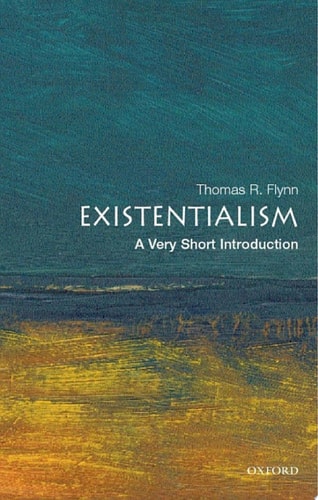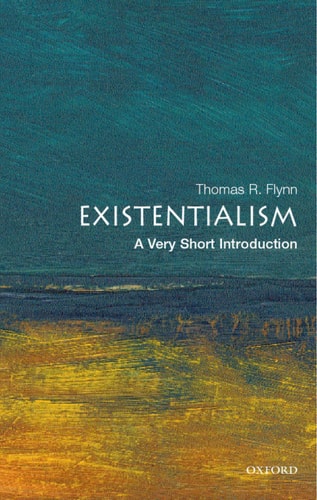
Existentialism: A Very Short Introduction
0
0
As an Amazon Associate and affiliate partner, Menrva Books earns from qualifying purchases. Learn more
Author Description
One of the leading philosophical movements of the twentieth century, existentialism has had more impact on literature and the arts than any other school of thought. Focusing on the leading figures of existentialism, including Sartre, Nietzsche, Heidegger, Kierkegaard, de Beauvoir, Merleau-Ponty, and Camus, Thomas Flynn offers a concise account of existentialism, explaining the key themes of individuality, free will, and personal responsibility, which marked the movement as a way of life, not just a way of thinking.Flynn sets the philosophy of existentialism in context, from the early phenomenologists, to its rise in the 40's and 50's, and the connections with National Socialism, Communism, and Feminism. He identifies the original definition of "existentialism," which tends to be obscured by misappropriation, and highlights how the philosophy is still relevant in our world today.
Menrva's Summary
THE THESIS
This text investigates the core tenets, historical development, and cultural impact of existentialism as both a philosophical movement and a practical way of life. Thomas Flynn, an established scholar of European philosophy, utilizes a historical and thematic framework to synthesize the contributions of major existentialist thinkers. He argues that existentialism is defined by its focus on individual agency, personal responsibility, and free will, rather than the popular misconceptions often associated with the term.
THE SCOPE MAP
What You Will Find
- Historical overview of existentialism from its phenomenological roots to its mid-twentieth-century peak
- Analysis of key figures including Sartre, Nietzsche, Heidegger, Kierkegaard, de Beauvoir, Merleau-Ponty, and Camus
- Examination of the movement's intersections with political ideologies like Communism, National Socialism, and Feminism
Scope Limits
- The text does not provide an exhaustive biography of every existentialist thinker
- It does not offer a comprehensive critique of contemporary post-structuralist responses to existentialism
THE AUTHORITY PERSPECTIVE
Experts and readers frequently highlight this book as a foundational, accessible entry point for those seeking to understand the complexities of existentialist thought. The prose is noted for its clarity and ability to distill dense philosophical concepts into a manageable format for non-specialists.
Page Count:
160
Publication Date:
2006-11-06
Publisher:
Oxford University Press
ISBN-10:
0192804286
ISBN-13:
9780192804280
Philosophy
Non-Fiction
Existentialism
Philosophy history