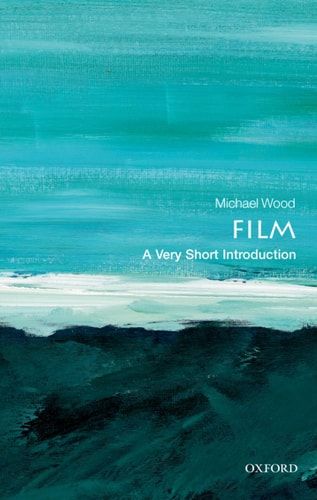
Film: A Very Short Introduction
0
0
As an Amazon Associate and affiliate partner, Menrva Books earns from qualifying purchases. Learn more
Author Description
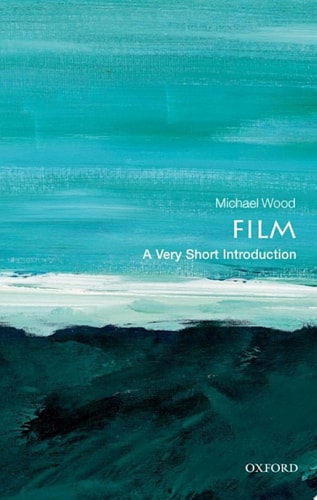
Film is arguably the dominant art form of the twentieth century. In this Very Short Introduction, Michael Wood offers a wealth of insight into the nature of film, considering its role and impact on society as well as its future in the digital age. As Wood notes, film is many things, but it has become above all a means of telling stories through images and sounds. The stories are often quite false, frankly and beautifully fantastic, and they are sometimes insistently said to be true. Indeed, many condemn movies as an instrument of illusion, an emphatic way of seeing what is not there. And others celebrate the reverse: that film brings us closest to the world as it actually is. "Photography is truth," a character says in a film by Jean-Luc Godard. "And cinema is the truth twenty-four times per second." But they are stories in either case, and there are very few films, Wood observes, even in avant-garde art, that don't imply or quietly slip into narrative.
Menrva's Summary
THE THESIS
What is the fundamental nature of film as an art form and its subsequent impact on modern society? Michael M. Wood, a noted scholar of film and literature, examines the medium through a lens that balances its capacity for both illusion and realism. He argues that while film serves as a primary vehicle for storytelling through audiovisual means, it remains a complex intersection of technical artifice and cultural reflection that shapes how audiences perceive truth and narrative.
THE SCOPE MAP
What You Will Find
- Analysis of the evolution of film as a dominant twentieth-century art form
- Examination of the tension between cinematic illusion and documentary realism
- Discussion of the role of narrative structure in both mainstream and avant-garde cinema
- Exploration of the transition of film into the digital age
Scope Limits
- Does not provide a comprehensive chronological history of global cinema
- Does not serve as a technical manual for film production or cinematography
THE AUTHORITY PERSPECTIVE
Experts and readers frequently cite this work as an accessible entry point for those seeking a conceptual framework for film analysis. The text is noted for its concise, philosophical approach that avoids overly technical jargon while maintaining academic rigor.
Page Count:
138
Publication Date:
2012-02-20
Publisher:
Oxford University Press
ISBN-10:
0192803530
ISBN-13:
9780192803535
Non-Fiction
Art History
Social Aspects
Film Studies
Media Studies
Motion pictures