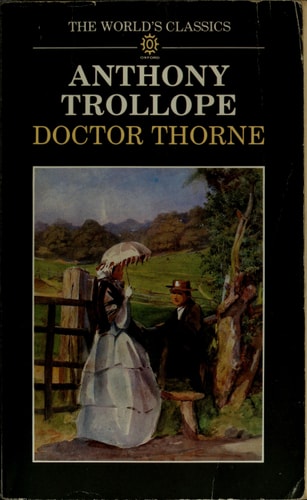
Doctor Thorne
0
0
As an Amazon Associate and affiliate partner, Menrva Books earns from qualifying purchases. Learn more
Author Description
Son of a bankrupt landowner, Frank Gresham is intent on marrying his beloved Mary Thorne, despite her illegitimacy and apparent poverty. Frank's ambitious mother and haughty aunt are set against the match, however, and push him to save the family's mortgaged estate by making a good marriage to a wealthy heiress. Only Mary's loving uncle, Dr Thorne, knows the secret of her birth and the fortune she is to inherit that will make her socially acceptable in the eyes of Frank's family - but the high-principled doctor believes she should be accepted on her own terms. A telling examination of the relationship between society, money and morality, Dr Thorne (1858) is enduringly popular for Trollope's affectionate depiction of rural English life and his deceptively simple portrayal of human nature.
Menrva's Summary
THE PULSE
Frank Gresham faces a conflict between his desire to marry the impoverished Mary Thorne and his family's desperate need for him to secure a wealthy match to save their estate. Frank must navigate the rigid social expectations of his mother and aunt, who view Mary's lack of fortune and questionable parentage as insurmountable barriers to marriage. Dr. Thorne, the guardian of Mary's secret inheritance, remains the primary obstacle to a quick resolution, as he refuses to reveal her wealth to manipulate the Gresham family's approval. The narrative unfolds through a third-person omniscient perspective that observes the intricate social maneuvers within the rural community of Barsetshire. The characters are bound by the strict financial and class-based constraints of mid-nineteenth-century England.
INSIDE THE PAGES
- Third-person omniscient narration
- Detailed exploration of Victorian social hierarchy
- Focus on the intersection of marriage and financial stability
- Satirical commentary on landed gentry and social climbers
- Character-driven plot development
- Realistic depiction of rural English village life
- Moral dilemmas regarding inheritance and legitimacy
- Slow-paced, methodical examination of interpersonal relationships
THE COLLECTIVE ECHO
Readers frequently highlight the balance between Trollope's sharp social observation and his sympathetic portrayal of human fallibility. Discussion often centers on the moral integrity of Dr. Thorne and how his principles contrast with the mercenary attitudes of the surrounding gentry. Critics often point to the pacing as deliberate, favoring character depth over rapid plot progression. The atmosphere is consistently described as a grounded, authentic representation of the Victorian era's social pressures. Many readers appreciate the way the narrative avoids melodrama in favor of a nuanced look at how money influences personal choices.
Page Count:
592
Publication Date:
1981-05-21
Publisher:
Oxford University Press
ISBN-10:
0192815083
ISBN-13:
9780192815088
Romance
classic
Historical
Victorian
Social Satire
Rural Life
Community Tags
Other Editions(36)

Alpha Editions
2021
Default edition
Independently Published
2021

Independently Published
2021

Digireads.com Publishing
2020

Independently Published
2020
Independently Published
2020
CreateSpace Independent Publishing Platform
2018

CreateSpace Independent Publishing Platform
2018

CreateSpace Independent Publishing Platform
2018

CreateSpace Independent Publishing Platform
2018

CreateSpace Independent Publishing Platform
2017

CreateSpace Independent Publishing Platform
2017

CreateSpace Independent Publishing Platform
2017
CreateSpace Independent Publishing Platform
2017
Createspace Independent Publishing Platform
2017

CreateSpace Independent Publishing Platform
2017

CreateSpace Independent Publishing Platform
2016

CreateSpace Independent Publishing Platform
2016
Oxford University Press
2016
Creative Media Partners, LLC
2015

CreateSpace Independent Publishing Platform
2015
CreateSpace Independent Publishing Platform
2015
Penguin Random House
2015

CreateSpace Independent Publishing Platform
2015
CreateSpace Independent Publishing Platform
2015
Oxford University Press
2014
OUP Oxford
2014
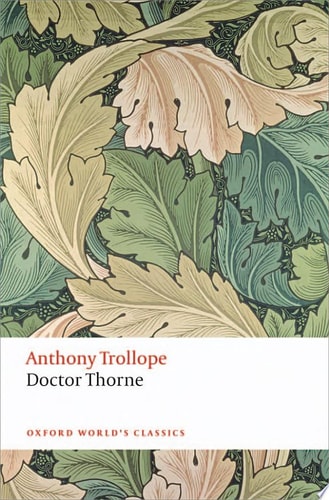
Oup Oxford
2014

Digireads.com Publishing
2011
Read Books
2008

eBooksLib
2005
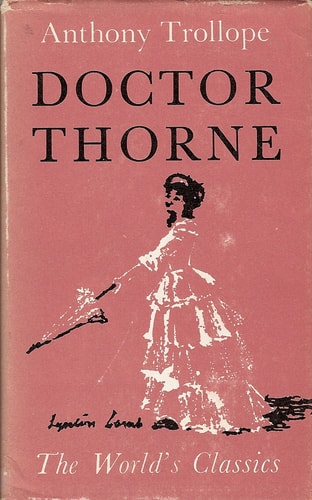
Oxford University Press
2005

Classic Books
2001

Oxford University Press
2000
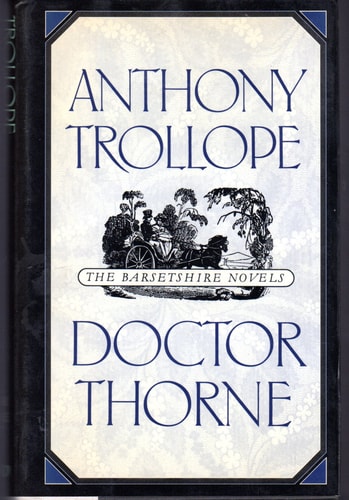
Oxford University Press
1989
Oxford University Press
1981
Similar Books
Reader Comments
Share Your Thoughts
No comments yet. Be the first to share your thoughts!