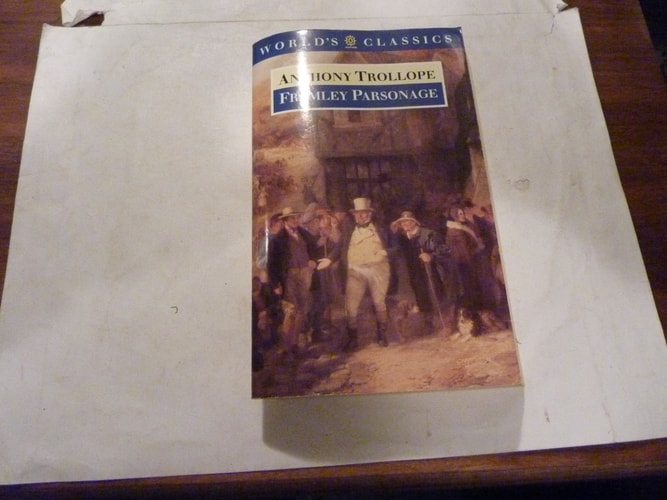
Framley Parsonage
0
0
As an Amazon Associate and affiliate partner, Menrva Books earns from qualifying purchases. Learn more
Author Description
Framley Parsonage is the fourth of Anthony Trollope's six Barsetshire novels. It follows the life of Mark Robarts, a young clergyman who is offered the living of Framley by his patron, the wealthy and influential Lady Lufton. Robarts's ambition and his desire to maintain his social standing lead him into a series of financial and moral complications that threaten his career and his reputation. As he navigates the complex social hierarchies of the clergy and the landed gentry, he must confront the consequences of his choices and the expectations placed upon him by his community.
Menrva's Summary
THE PULSE
Mark Robarts, a young clergyman, faces a crisis of conscience and social standing when his ambition leads him into a precarious financial entanglement with a powerful patron. Driven by the desire to maintain his status within the elite circles of Barsetshire, Robarts compromises his professional integrity by signing a guarantee for a debt he cannot afford. He must navigate the complex social hierarchies of the clergy and the landed gentry while contending with the disapproval of his mentor and the anxieties of his wife. The narrative unfolds through a third-person omniscient perspective that examines the intersection of personal morality and public reputation. The world is defined by the rigid class structures and ecclesiastical politics of mid-19th-century England.
INSIDE THE PAGES
- Exploration of clerical life and church politics
- Detailed examination of Victorian social class dynamics
- Focus on the consequences of financial imprudence
- Interweaving of multiple subplots involving the Barsetshire community
- Satirical commentary on the influence of wealth and patronage
- Character-driven development of the protagonist's moral growth
- Realistic depiction of domestic life and marriage
- Use of irony to highlight the contradictions of the gentry
THE COLLECTIVE ECHO
Readers frequently highlight the accessibility of the prose compared to other Victorian novelists, noting that the narrative maintains a steady, engaging pace. Discussion often centers on the moral dilemmas faced by Mark Robarts and whether his actions warrant the reader's sympathy or condemnation. Critics often point to the effective world-building of the Barsetshire setting, which provides a consistent backdrop for the recurring cast of characters. The balance between domestic concerns and broader social commentary is frequently cited as a primary strength of the work. Many readers appreciate the subtle humor and the realistic portrayal of human fallibility within the rigid structures of the era.
Page Count:
528
Publication Date:
1981-05-21
Publisher:
Oxford University Press
ISBN-10:
0192815458
ISBN-13:
9780192815453
Social Satire
Victorian
Realism
Domestic fiction
classic
Clergy
Barsetshire England Imaginary place -- Fiction
Community Tags
Other Editions(42)
Creative Media Partners, LLC
2025
Default edition
BoD - Books on Demand
2023

IndoEuropeanPublishing.com
2023

Creative Media Partners, LLC
2022

Independently Published
2021
Independently Published
2020
Independently Published
2020
Independently Published
2020

Independently Published
2020

Amazon Digital Services LLC - KDP Print US
2019

Independently Published
2019
Independently Published
2019

Independently Published
2019
Independently Published
2019

HardPress
2019

Independently Published
2019

Amazon Digital Services LLC - KDP Print US
2019
Amazon Digital Services LLC - KDP Print US
2019

CreateSpace Independent Publishing Platform
2018
Creative Media Partners, LLC
2018

CreateSpace Independent Publishing Platform
2018

CreateSpace Independent Publishing Platform
2018
Max Bollinger
2018
CreateSpace Independent Publishing Platform
2018

CreateSpace Independent Publishing Platform
2017

CreateSpace Independent Publishing Platform
2017

CreateSpace Independent Publishing Platform
2017

CreateSpace Independent Publishing Platform
2017

CreateSpace Independent Publishing Platform
2015
Oxford University Press
2014

Literary Licensing, LLC
2014
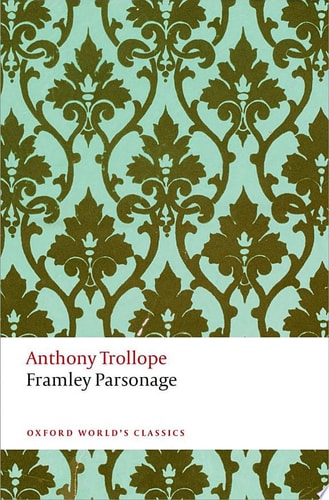
Oup Oxford
2014
OUP Oxford
2014

CreateSpace Independent Publishing Platform
2013

CreateSpace Independent Publishing Platform
2012

EBooksLib
2005

eBooksLib
2005

NuVision Publications
2004

Books On Tape
1996

Oxford University Press
1989
Oxford University Press
1981

Zodiac Press
1980
Similar Books
Reader Comments
Share Your Thoughts
No comments yet. Be the first to share your thoughts!