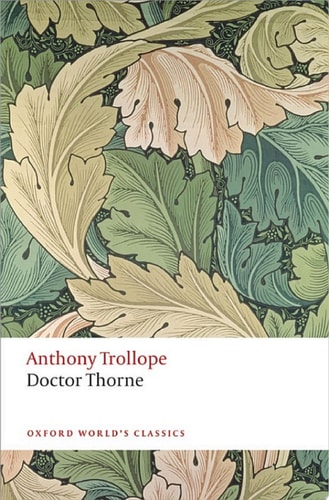
Doctor Thorne
0
0
As an Amazon Associate and affiliate partner, Menrva Books earns from qualifying purchases. Learn more
Author Description
'Frank has but one duty before him. He must marry money.' The squire of Greshamsbury has fallen on hard times, and it is incumbent on his son Frank to make a good marriage. But Frank loves the doctor's niece, Mary Thorne, a girl with no money and mysterious parentage. He faces a terrible dilemma: should he save the estate, or marry the girl he loves? Mary, too, has to battle her feelings, knowing that marrying Frank would ruin his family and fly in the face of his mother's opposition. Her pride is matched by that of her uncle, Dr Thorne, who has to decide whether to reveal a secret that would resolve Frank's difficulty, or to uphold the innate merits of his own family heritage. The character of Dr Thorne reflects Trollope's own contradictory feelings about the value of tradition and the need for change. His subtle portrayal, and the comic skill and gentle satire with which the story is developed, are among the many pleasures of this delightful novel.
Menrva's Summary
THE PULSE
Frank Gresham faces a critical conflict between his familial duty to restore his estate's finances through a wealthy marriage and his personal desire to wed Mary Thorne, a woman of modest means and uncertain parentage. Frank must navigate the rigid social expectations of the Greshamsbury gentry, where his mother and the local aristocracy exert immense pressure to prioritize economic stability over individual affection. Mary Thorne, meanwhile, struggles with the ethical implications of her potential union, fearing the social and financial ruin it might bring to the Gresham family. The narrative employs a third-person omniscient perspective to examine the interplay between personal integrity and the rigid class structures of mid-Victorian England.
INSIDE THE PAGES
- Exploration of the Victorian marriage market and its economic imperatives
- Satirical commentary on the social hierarchies of rural English society
- Examination of the tension between inherited status and individual merit
- Use of a central secret regarding lineage to drive the plot's resolution
- Detailed character studies of the landed gentry and the professional class
- Gentle irony used to critique the vanity of the upper classes
- Focus on the moral dilemmas faced by individuals within a traditional framework
- Pacing that emphasizes social observation and character development over rapid action
THE COLLECTIVE ECHO
Readers and critics frequently highlight the novel's balanced approach to social satire and character-driven drama. Discussion often centers on the effectiveness of Dr. Thorne as a moral anchor who embodies the conflict between tradition and necessary change. Many observers note that the pacing is deliberate, allowing for a thorough examination of the motivations behind the characters' social maneuvers. The work is often praised for its nuanced portrayal of the Victorian class system without resorting to caricature. Readers frequently appreciate the gentle humor and the author's ability to make the internal struggles of the characters feel significant within the context of their era.
Page Count:
335
Publication Date:
2014-01-01
Publisher:
OUP Oxford
ISBN-10:
0191639818
ISBN-13:
9780191639814
Romance
English
Classic Literature
English & College Success
Social Satire
Victorian
Domestic fiction
Community Tags
Other Editions(36)

Alpha Editions
2021
Default edition
Independently Published
2021

Independently Published
2021

Digireads.com Publishing
2020

Independently Published
2020
Independently Published
2020
CreateSpace Independent Publishing Platform
2018

CreateSpace Independent Publishing Platform
2018

CreateSpace Independent Publishing Platform
2018

CreateSpace Independent Publishing Platform
2018

CreateSpace Independent Publishing Platform
2017

CreateSpace Independent Publishing Platform
2017

CreateSpace Independent Publishing Platform
2017
CreateSpace Independent Publishing Platform
2017
Createspace Independent Publishing Platform
2017

CreateSpace Independent Publishing Platform
2017

CreateSpace Independent Publishing Platform
2016

CreateSpace Independent Publishing Platform
2016
Oxford University Press
2016
Creative Media Partners, LLC
2015

CreateSpace Independent Publishing Platform
2015
CreateSpace Independent Publishing Platform
2015
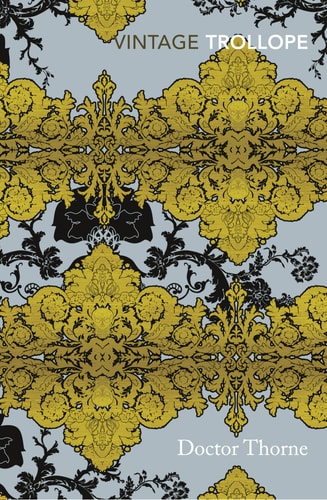
Penguin Random House
2015

CreateSpace Independent Publishing Platform
2015
CreateSpace Independent Publishing Platform
2015
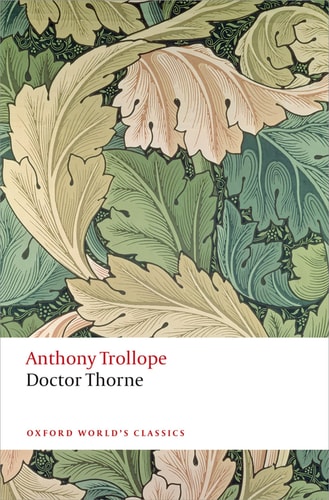
Oxford University Press
2014
OUP Oxford
2014
Oup Oxford
2014

Digireads.com Publishing
2011
Read Books
2008

eBooksLib
2005
Oxford University Press
2005

Classic Books
2001

Oxford University Press
2000
Oxford University Press
1989
Oxford University Press
1981
Similar Books






Reader Comments
Share Your Thoughts
No comments yet. Be the first to share your thoughts!