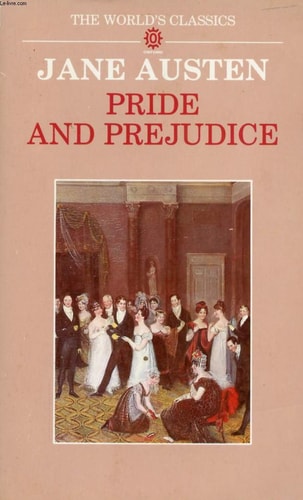
Pride and Prejudice
0
0
As an Amazon Associate and affiliate partner, Menrva Books earns from qualifying purchases. Learn more
Author Description
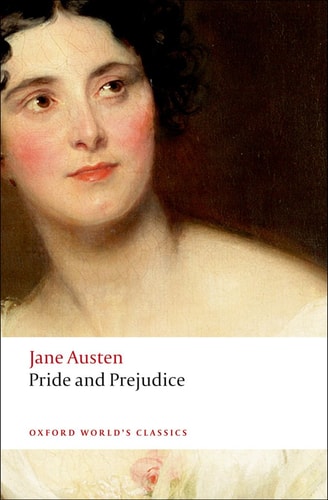
Of all Jane Austen's books, Pride and Prejudice has earned a special place in the hearts of the reading public as her best-loved and most intimately known novel. From its famous opening sentence, the story of the Bennet family and of the novel's two protagonists, Elizabeth and Darcy, told with a wit that its author feared might prove 'rather too light and bright, and sparkling', delights its most familiar readers as thoroughly as it does those who encounter it for the first time. And while she entertains us, Jane Austen teaches us the wisdom of balance, the folly of 'pride' and 'prejudice'.Pride and Prejudice was first published in 1813, although the original story from which it evolved, entitled First Impressions, was begun in 1796. The text is edited by James Kinsley from R. W. Chapman's Oxford edition, with a bibliography, and introduction and notes by Frank W. Bradbrook.Cover illustration. detail from Cloakroom of the Clifton Assembly Rooms, Rolinda Sharpies 1817-18. Collection of the City Art Gallery Bristol.--back cover
Menrva's Summary
THE PULSE
The arrival of a wealthy, eligible bachelor in a rural neighborhood triggers a series of social complications that force the spirited Elizabeth Bennet to confront her own misconceptions. Elizabeth Bennet, the second of five daughters, navigates the rigid social hierarchies of 19th-century England while managing her mother's desperate attempts to secure advantageous marriages. Her path frequently crosses with the aloof and wealthy Fitzwilliam Darcy, whose perceived arrogance creates an immediate barrier between them. The narrative, presented in a third-person limited perspective, focuses on the interplay of manners, economic necessity, and personal integrity. The characters operate within the strict confines of landed gentry expectations, where a single misstep in social conduct can result in long-term reputational damage.
INSIDE THE PAGES
- Sharp, ironic dialogue that exposes character flaws
- Exploration of the intersection between marriage and financial security
- Use of epistolary elements through letters that reveal character motivations
- Detailed depiction of the English country gentry lifestyle
- Focus on the contrast between public reputation and private character
- Satirical commentary on social climbing and class consciousness
- Gradual character evolution driven by self-reflection
- Intricate plotting centered on misunderstandings and social maneuvering
THE COLLECTIVE ECHO
Readers and critics frequently highlight the precision of the prose and the enduring sharpness of the social satire. Discussion often centers on the psychological depth of Elizabeth and Darcy, noting how their mutual growth serves as the engine for the narrative arc. Many observers point to the balance between the lighthearted domestic comedy and the more serious critique of the marriage market. The novel is widely regarded for its ability to maintain relevance through its exploration of human fallibility and the necessity of overcoming personal bias. Readers consistently find the pacing effective, as the tension between the protagonists remains sustained throughout the social engagements and eventual reconciliations.
Page Count:
352
Publication Date:
1980-03-20
Publisher:
Oxford University Press
ISBN-10:
0192815032
ISBN-13:
9780192815033
Romance
Satire
England
Darcy fitzwilliam fictitious character fiction
Sisters fiction
Bennet elizabeth fictitious character fiction
Regency
Domestic fiction
classic
Young women
Community Tags
Other Editions(71)
Independently Published
2022
Default edition
Independently Published
2022
Independently Published
2022
Independently Published
2022
Independently Published
2022
Independently Published
2022
Independently Published
2022
Independently Published
2022
Independently Published
2022
Independently Published
2022
Independently Published
2022
Independently Published
2022
Independently Published
2022
Independently Published
2022
Independently Published
2022
Independently Published
2022
Independently Published
2022
Independently Published
2022
Independently Published
2022
Independently Published
2022
Independently Published
2022
Independently Published
2022
Independently Published
2022
Independently Published
2022
Independently Published
2022
Independently Published
2022
Independently Published
2022
Independently Published
2022
Independently Published
2022
Independently Published
2022
Independently Published
2022
Independently Published
2021
Independently Published
2021
Independently Published
2021
Independently Published
2021
Independently Published
2021
Independently Published
2021
Independently Published
2021
Independently Published
2021
Independently Published
2021
Independently Published
2021
Independently Published
2021
Independently Published
2021
Independently Published
2021
Independently Published
2020
Independently Published
2020
Independently Published
2020
Independently Published
2020
Independently Published
2020
Independently Published
2020
Independently Published
2020
Independently Published
2019
Independently Published
2018
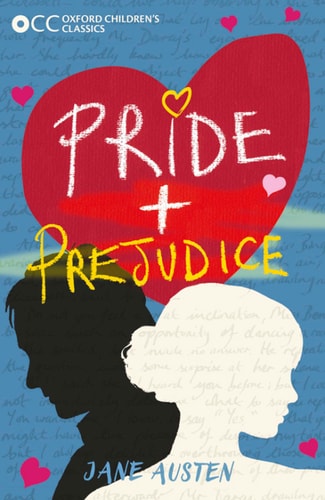
OUP Oxford
2017
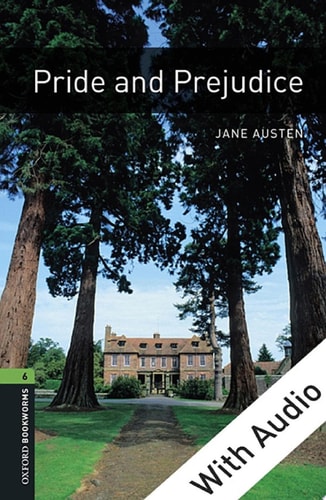
Oxford University Press
2014
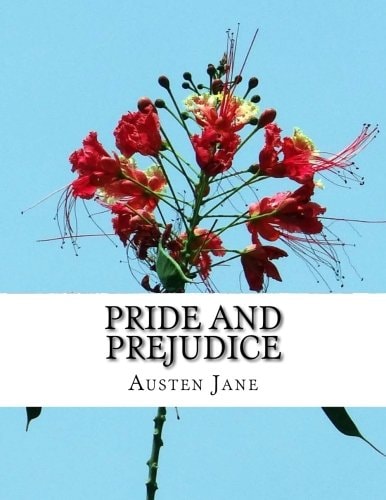
CreateSpace Independent Publishing Platform
2014

Summit Classic Press
2013
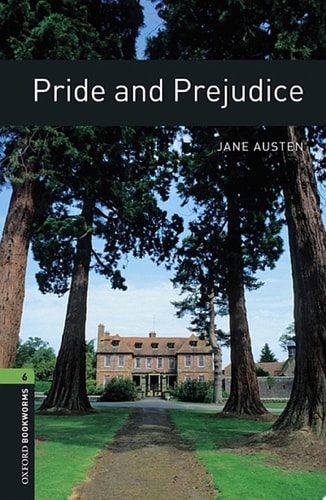
Oxford University Press
2012
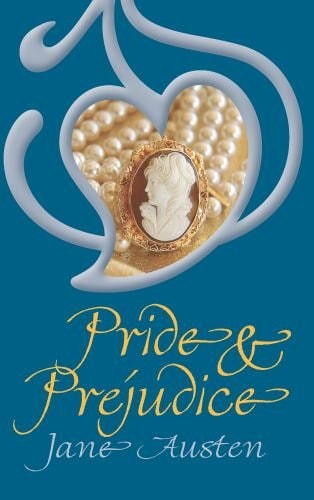
Oxford University Press
2010
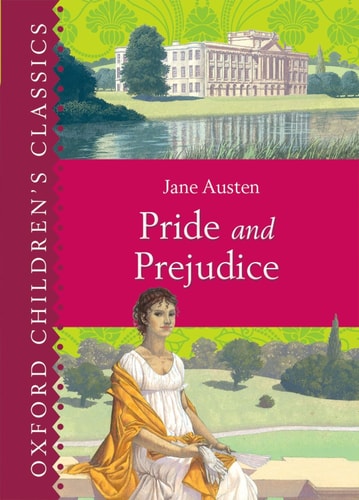
Oxford University Press
2010
Oxford University Press
2008
Oxford University Press
2008
Oxford University Press España, S.A.
2008
Oxford University Press
2003

Oxford University Press
1999

Steck-Vaughn
1988
Oxford University Press
1980
Oxford University Press
1975
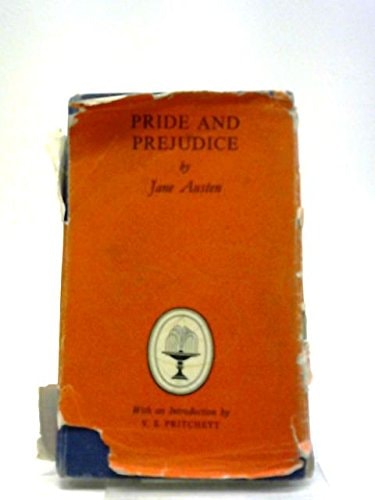
Collins
1970
Wetmore Declamation Bureau
1937
Oxford University Press
1932
Similar Books


Reader Comments
Share Your Thoughts
No comments yet. Be the first to share your thoughts!