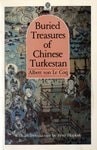
The Silk Road: The Great Trans-Asian Highway
0
0
As an Amazon Associate and affiliate partner, Menrva Books earns from qualifying purchases. Learn more
Author Description
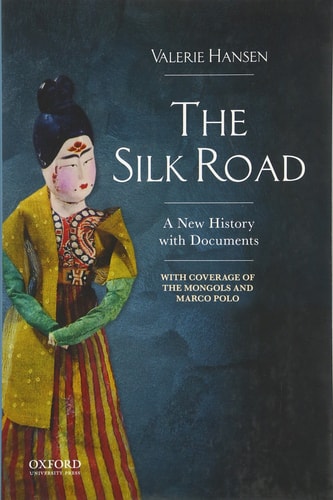
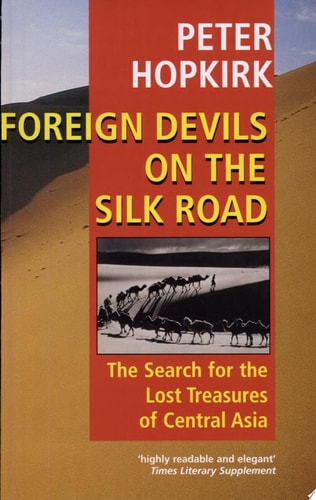
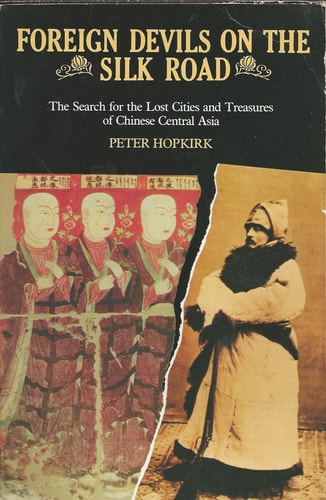
The Silk Road, the great trans-Asian highway linking Imperial Rome to China, reached the height of its importance during the T'ang Dynasty. Along it travelled precious cargoes as well as new ideas, art and knowledge. Its oasis towns blossomed into thriving centres of trade. However, as the Chinese lost control of the region, it began to decline to the point where the towns disappeared beneath desert sands. Local legends grew of buried treasure guarded by demons. This is the story of the intrepid adventurers who, at great personal risk, led long-range archaeological raids to the region in the early years of the 20th century. Profiles of such archaeologists as Sir Aurel Stein, who carried off large quantities of priceless wall paintings, sculptures, silks and early manuscripts, augment a narrative which also traces the fate of the works of art that were removed.
Menrva's Summary
THE THESIS
This work investigates the historical rise, decline, and subsequent 20th-century archaeological exploration of the Silk Road trade routes. The author examines the geopolitical shifts that led to the abandonment of once-thriving oasis towns and the eventual emergence of legends surrounding these buried sites. By profiling key figures in early modern archaeology, the text argues that the removal of artifacts was a complex intersection of scientific discovery and cultural appropriation.
THE SCOPE MAP
What You Will Find
- Historical overview of the T'ang Dynasty trade networks.
- Biographical profiles of explorers including Sir Aurel Stein.
- Documentation of the removal of wall paintings, sculptures, and manuscripts.
Scope Limits
- The text does not provide a comprehensive archaeological survey of all Silk Road sites.
- It does not offer a modern analysis of the current geopolitical status of the region.
THE AUTHORITY PERSPECTIVE
Experts recognize this text as a accessible historical account of early 20th-century exploration in Central Asia. Readers frequently note the balance between biographical narrative and the broader historical context of the region's decline.
Page Count:
192
Publication Date:
1990-01-01
Publisher:
Minneapolis: Grason, 1990
ISBN-10:
0192814877
ISBN-13:
9780192814876
History
Archaeology
Silk Road
Engineering
Reference
Central Asia
Exploration
Community Tags
Similar Books