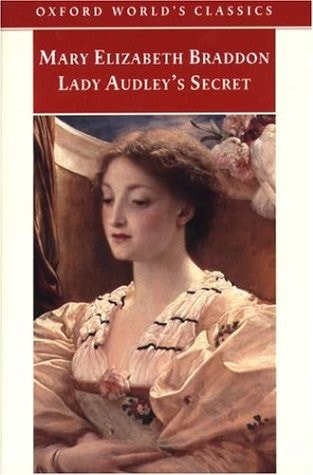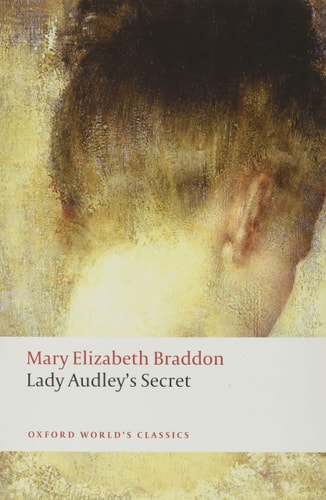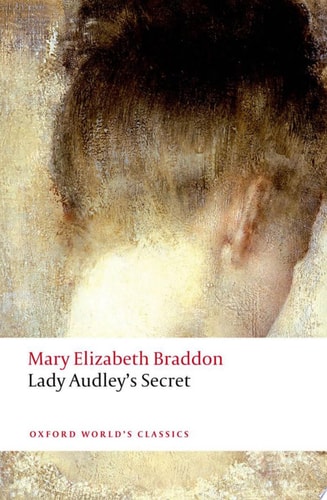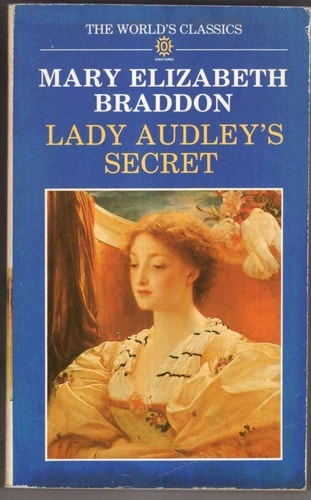
Lady Audley's Secret
0
0
As an Amazon Associate and affiliate partner, Menrva Books earns from qualifying purchases. Learn more
Author Description
This novel, with its most untypically forceful heroine, can be seen as an anticipation of Ibsen's great dramas, and as an unabashed bid for freedom from the constraints of Victorian womanhood.
Menrva's Summary
THE PULSE
The sudden disappearance of George Talboys triggers a frantic investigation that exposes the dark, hidden past of the seemingly angelic Lady Audley. Lady Audley, a woman of humble origins who has ascended to the heights of Victorian society through marriage, must protect her carefully constructed identity against those who threaten to reveal her history. Her primary objective is the preservation of her status and security, which forces her into a series of increasingly desperate and manipulative maneuvers. The narrative, presented through a third-person perspective, highlights the rigid social and legal constraints placed upon women during the mid-19th century. The story unfolds within the claustrophobic confines of Audley Court, where the tension between domestic propriety and hidden criminality drives the plot forward.
INSIDE THE PAGES
- Use of the sensation novel genre to critique Victorian social norms
- Exploration of bigamy and social climbing as central plot drivers
- Contrast between the protagonist's outward appearance and internal duplicity
- Incorporation of Gothic atmosphere within a domestic setting
- Detailed examination of the legal and financial vulnerability of women
- Pacing characterized by mounting suspense and investigative discovery
- Focus on the psychological motivations behind criminal behavior
- Integration of class conflict as a catalyst for narrative tension
THE COLLECTIVE ECHO
Readers and critics frequently analyze the work as a foundational example of the sensation novel, noting its ability to subvert Victorian expectations of femininity. Discussion often centers on the moral ambiguity of Lady Audley, who is frequently debated as either a victim of her circumstances or a calculated villain. The pacing is often praised for its ability to maintain high levels of suspense through the slow unraveling of secrets. Many scholars highlight the text as a significant critique of the era's gender dynamics and the limited agency afforded to women. The atmospheric descriptions of the English countryside and the estate of Audley Court are often cited as essential elements that ground the narrative's more dramatic revelations.
Page Count:
496
Publication Date:
1987-01-01
Publisher:
Oxford Univ Pr
ISBN-10:
0192817418
ISBN-13:
9780192817419
Mystery
Gothic
Victorian
Classic fiction