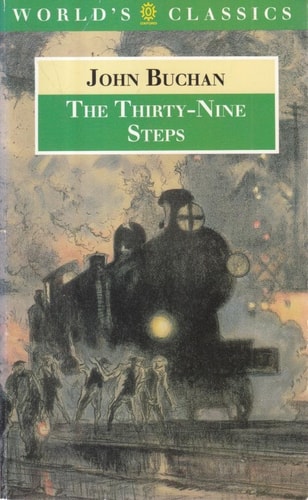
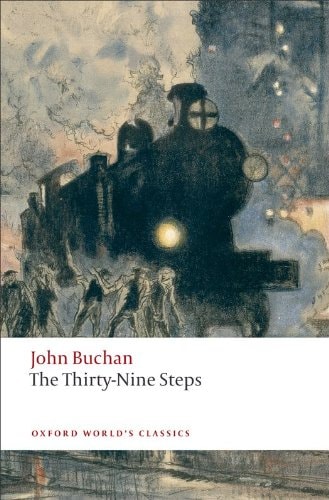
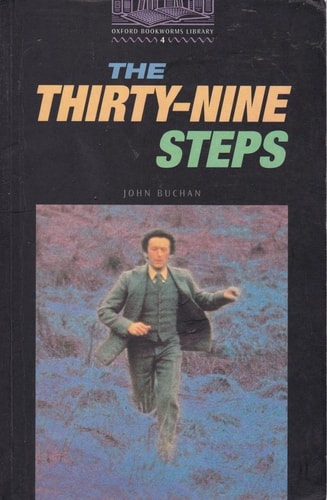
The Thirty-Nine Steps
0
0
As an Amazon Associate and affiliate partner, Menrva Books earns from qualifying purchases. Learn more
Author Description
In The Thirty-Nine Steps (1915), the best-known of his thrillers (made into a popular movie by Alfred Hitchcock), John Buchan introduces his most enduring hero, Richard Hannay, who, despite claiming to be an "ordinary fellow," is caught up in the dramatic and dangerous race against a plot to devastate the British war effort.In this, the only critical edition available, Christopher Harvie's introduction interweaves the writing of the tale with the equally fascinating story of how John Buchan, publisher and lawyer, came in from the cold and, via The Thirty-Nine Steps, ended the war as spy-master and propaganda chief.
Menrva's Summary
THE PULSE
Richard Hannay finds himself thrust into a high-stakes conspiracy when a murdered man is discovered in his London flat, forcing him to flee across the Scottish Highlands to clear his name and prevent a global catastrophe. Hannay, an expatriate engineer, must navigate a landscape of shifting loyalties and hidden enemies while evading both the police and a clandestine organization known as the Black Stone. The narrative unfolds through a first-person perspective, emphasizing the protagonist's resourcefulness and physical endurance as he attempts to decipher a cryptic code that threatens the stability of the British government. The story operates under strict temporal constraints, as Hannay races against time to expose the plot before the conspirators can execute their final move.
INSIDE THE PAGES
- First-person narrative perspective
- High-stakes espionage plot
- Atmospheric Scottish Highlands setting
- Focus on individual resourcefulness and survival
- Pacing driven by constant pursuit and evasion
- Early example of the man-on-the-run trope
- Minimalist characterization centered on the protagonist
- Integration of political tension and national security themes
THE COLLECTIVE ECHO
Readers frequently highlight the brisk, efficient pacing that defines this early twentieth-century thriller. Discussion often centers on the influence of the work on the modern spy genre, particularly regarding the archetype of the reluctant hero caught in a web of international intrigue. Critics often note the stark contrast between the protagonist's grounded, practical nature and the increasingly dramatic stakes of the narrative. The atmosphere is consistently praised for its sense of urgency and the effective use of the rugged landscape as a secondary antagonist. Many readers appreciate the straightforward prose style that prioritizes plot progression over complex psychological introspection.
Page Count:
160
Publication Date:
1994-01-06
Publisher:
Oxford University Press
ISBN-10:
0192829912
ISBN-13:
9780192829917
Adventure
Mystery
Thriller
Richard Rahl Fictitious character
Spy Fiction
Great Britain
Fiction thrillers
classic
Community Tags
Other Editions(9)

Similar Books



Reader Comments
Share Your Thoughts
No comments yet. Be the first to share your thoughts!