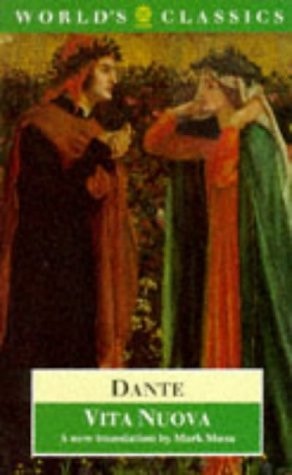
Vita Nuova
0
0
As an Amazon Associate and affiliate partner, Menrva Books earns from qualifying purchases. Learn more
Author Description
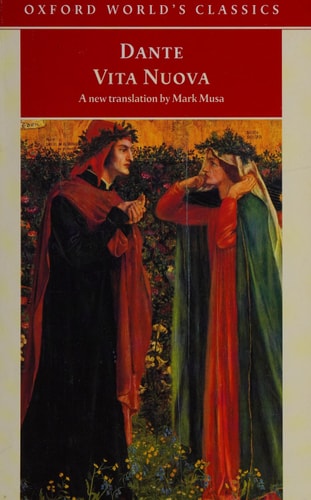
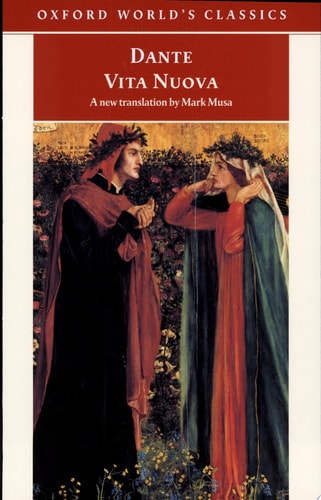
Vita Nuova (1292-94) is regarded as Dante's most profound creation. The thirty-one poems in this, the first of his major writings, are linked by a lyrical prose narrative celebrating and debating the subject of love. Composed upon Dante's meeting with Beatrice and the "Lord of Love," it is a love story set to the task of confirming the "new life" this meeting inspired. With a critical introduction and explanatory notes, this is a new translation of a supreme work which has been read variously as biography, religious allegory, and a meditation on poetry itself.
Menrva's Summary
THE PULSE
The narrative is ignited by the poet's transformative encounter with Beatrice, a meeting that forces him to reconcile his earthly desires with a higher, spiritual understanding of love. Dante acts as both the protagonist and the retrospective narrator, documenting his internal evolution as he navigates the constraints of courtly love traditions and his own burgeoning poetic identity. The text operates as a prosimetrum, alternating between lyrical verse and prose commentary to explain the emotional and intellectual context of each poem. The primary opposition arises from the tension between the physical reality of his unrequited affection and the metaphysical implications of his devotion, which ultimately pushes him toward a more profound, divine purpose.
INSIDE THE PAGES
- Prosimetrum structure combining lyrical poetry and prose commentary
- First-person retrospective narrative perspective
- Exploration of the courtly love tradition
- Allegorical interpretation of personal experience
- Focus on the transformative power of the muse
- Integration of religious and secular themes
- Chronological progression of emotional states
- Meta-poetic reflections on the act of writing
THE COLLECTIVE ECHO
Readers and critics frequently analyze this work as a foundational text for understanding the development of Dante's later, more complex allegorical writing. Discussion often centers on the deliberate ambiguity between the literal biographical events and the symbolic, spiritual meaning attributed to Beatrice. Scholars highlight the text's role in elevating the vernacular language to a level capable of expressing sophisticated philosophical concepts. Many readers find the interplay between the poems and the prose commentary to be an effective method for tracking the protagonist's psychological growth. The work remains a primary subject for those interested in the evolution of medieval literature and the transition toward Renaissance humanism.
Page Count:
128
Publication Date:
1992-08-20
Publisher:
Oxford University Press
ISBN-10:
0192828770
ISBN-13:
9780192828774
Romance
Classics
Poetry
Medieval
Autobiographical fiction
Community Tags
Other Editions(11)



Similar Books



Reader Comments
Share Your Thoughts
No comments yet. Be the first to share your thoughts!