The Prairie
0
0
As an Amazon Associate and affiliate partner, Menrva Books earns from qualifying purchases. Learn more
Author Description
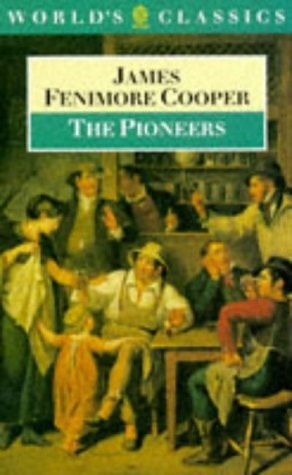
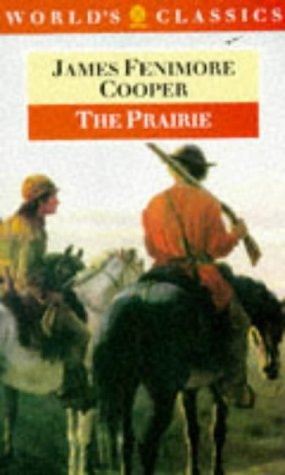
Set in the immense landscape of the Great Plains, The Prairie (1827) addresses many questions raised by the penetration of the American west: the displacement of the Indians, the destruction of nature, and the creation of a just society both ordered and free. Natty Bumppo, a man now in the autumn of his days, is the spokesman for the conservation of the natural environment. But as his physical prowess wanes he is ultimately unable to thwart the despoilers. In this, the last in the series of five Leatherstocking Tales, Cooper resolves the issues of The Pioneers and The Last of the Mohicans, but at the same time eloquently suggests that humility, self-control, reverence for God, and respect for nature are tragically lost on the prairie.
Menrva's Summary
THE PULSE
As the aging frontiersman Natty Bumppo navigates the vast, untamed expanse of the American Great Plains, he confronts the inevitable encroachment of civilization upon the wilderness. Bumppo, now in the twilight of his life, seeks to protect the natural order against those who wish to exploit the land for personal gain. He faces opposition from settlers and outlaws who represent the shifting values of a nation expanding westward. The narrative follows a traditional structure, utilizing the vast, open landscape as a physical constraint that dictates the pace and survival challenges of the characters.
INSIDE THE PAGES
- Exploration of the conflict between conservation and westward expansion
- Detailed descriptions of the Great Plains environment
- Philosophical dialogue regarding the nature of justice and order
- Characterization of the aging protagonist as a moral compass
- Examination of the displacement of indigenous populations
- Thematic focus on humility and reverence for the natural world
- Third-person omniscient narrative perspective
- Resolution of long-standing character arcs from the preceding series entries
THE COLLECTIVE ECHO
Readers and critics often analyze this work as a meditation on the moral consequences of American expansionism. Discussion frequently centers on the shift in tone from the earlier, more action-oriented entries in the series to this more reflective and somber conclusion. Many highlight the effectiveness of the prairie landscape as a character in its own right, emphasizing how the setting mirrors the protagonist's internal state. Scholars often note the book's contribution to the development of the American Western genre through its focus on the tension between individual freedom and societal structure. The text is widely regarded as a significant exploration of the loss of the frontier and the ethical dilemmas inherent in the settling of the West.
Page Count:
372
Publication Date:
1992-11-19
Publisher:
Oxford University Press
ISBN-10:
019282824X
ISBN-13:
9780192828248
Adventure
Western
Classic Literature
Historical
North America
Frontier
Bumppo natty fictitious character fiction