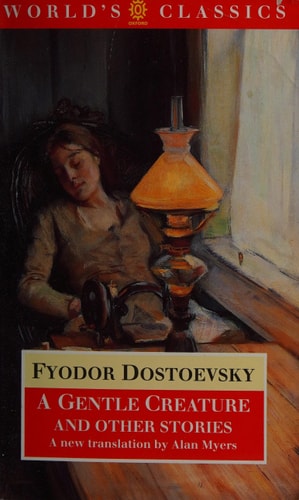
A Gentle Creature and Other Stories: White Nights, A Gentle Creature, and The Dream of a Ridiculous Man
0
0
As an Amazon Associate and affiliate partner, Menrva Books earns from qualifying purchases. Learn more
Author Description
In these stories, Dostoevsky explores both the figure of the dreamer divorced from reality, and also his own ambiguous attitude toward utopianism, themes central to his great novels. In White Nights, the apparent idyll of the dreamer's romantic fantasies disguises profound loneliness and estrangement from "living life." A Gentle Creature and The Dream of a Ridiculous Man show how withdrawal from reality can end in spiritual desolation as well as moral indifference, and how, in Dostoevsky's view, the tragedy of the alienated individual can only be resolved by the rediscovery of a sense of compassion and responsibility toward other people.No other edition brings together these specific stories--which are most interesting when read alongside one another--and the new translations capture all the power and lyricism of Dostoevsky's writing at tis best.
Menrva's Summary
THE PULSE
The central conflict involves the psychological isolation of individuals who retreat from the complexities of human connection into the safety of their own internal fantasies. Each protagonist struggles to reconcile their detached, often cynical worldview with the harsh realities of social existence. The narrative framework utilizes intimate, confessional tones—often first-person—to expose the internal logic of characters who are drifting toward spiritual or moral collapse. These figures are opposed by the relentless demands of the external world, which requires empathy, accountability, and the difficult labor of genuine human interaction.
INSIDE THE PAGES
- Exploration of the 'dreamer' archetype as a form of social alienation.
- Use of first-person confession to reveal unreliable or fractured perspectives.
- Examination of the tension between romantic idealism and existential loneliness.
- Critique of utopian thinking and its potential for moral indifference.
- Focus on the psychological consequences of withdrawal from 'living life.'
- Emphasis on the necessity of compassion as a resolution to individual tragedy.
- Stylistic shifts between lyrical introspection and stark, grounded realism.
- Thematic focus on the burden of personal responsibility toward others.
THE COLLECTIVE ECHO
Readers and critics frequently highlight these stories as essential entry points into the broader philosophical concerns found in Dostoevsky’s longer novels. Discussion often centers on the author's ability to map the internal landscape of the alienated individual with clinical precision. Many observers note that the pacing is deliberate, favoring psychological depth over rapid plot progression. The collection is widely regarded for its effectiveness in balancing dark, existential dread with moments of profound human insight. Readers often find that the thematic threads connecting these stories provide a cohesive look at the author's evolving views on morality and social connection.
Page Count:
160
Publication Date:
1995-06-01
Publisher:
Oxford University Press
ISBN-10:
0192822802
ISBN-13:
9780192822802
Short Stories
Russian
Philosophical
Classic Literature
Psychological