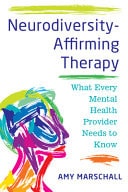
Neurodiversity-Affirming Therapy: What Every Mental Health Provider Needs to Know
0
0
As an Amazon Associate and affiliate partner, Menrva Books earns from qualifying purchases. Learn more
Author Description
Many mental health professionals are learning to recognize the ways in which neurodivergence can be part of someone's identity, rather than a disability. While many neurodivergent individuals have unique support needs, they are not broken, nor do they need to be cured of their neurodivergence. This neurodiversity-affirming model of care is not a specific set of therapeutic interventions, assessments, or steps a clinician must take to fit into a model. Rather, it is an underlying philosophy that recognizes individuals as the experts on their own lived experience, who can collaborate with mental health professionals to improve this experience. Those who want to support neurodivergent clients will learn the historical, practical, and clinical contexts of neurodiversity-affirming care. Reaching beyond autism (what many people exclusively associate with the term "neurodiversity"), the book encompasses the wide spectrum of differences in brain function and behavioral traits that form part of the human experience, and which include ADHD, dyslexia, and certain trauma responses and forms of anxiety. The book explores the nuances of affirming care in practice and the considerations that any provider should be aware of when working with neurodivergent clients. Everyone deserves appropriate support and freedom from the expectation to conform to neurotypical standards; with this trailblazing guide, clinicians can take the first, crucial steps towards meeting their neurodivergent clients' needs.
Menrva's Summary
THE THESIS
This book argues that mental health professionals should adopt a neurodiversity-affirming model of care, recognizing neurodivergence as a part of identity rather than a disability to be cured. The author, Amy Marschall, draws on historical, practical, and clinical contexts to guide providers in supporting neurodivergent clients. The neurodiversity-affirming model emphasizes that individuals are the experts on their own experiences and can collaborate with clinicians to improve their well-being. The book extends beyond autism to include ADHD, dyslexia, and certain trauma responses and forms of anxiety, advocating for appropriate support and freedom from neurotypical conformity.
THE SCOPE MAP
- The historical, practical, and clinical contexts of neurodiversity-affirming care.
- An exploration of neurodivergence beyond autism, including ADHD and dyslexia.
- Nuances of affirming care in practice for mental health providers.
- Considerations for working with neurodivergent clients.
- The underlying philosophy of recognizing individuals as experts on their own lived experience.
- Guidance on providing appropriate support and freedom from neurotypical expectations.
THE AUTHORITY PERSPECTIVE
The book is positioned as a trailblazing guide for mental health professionals seeking to understand and support neurodivergent clients. It aims to equip clinicians with the knowledge to move beyond a deficit-based model towards one that affirms neurodivergence as a natural aspect of human variation. The text emphasizes collaboration with clients and provides practical considerations for integrating this philosophy into practice across various neurodevelopmental differences.
Page Count:
336
Publication Date:
2025-04-15
Publisher:
W. W. Norton, Incorporated
ISBN-10:
1324054077
ISBN-13:
9781324054078
Health
Psychology
Non-Fiction
Self-help
Neurodiversity
Community Tags
Similar Books