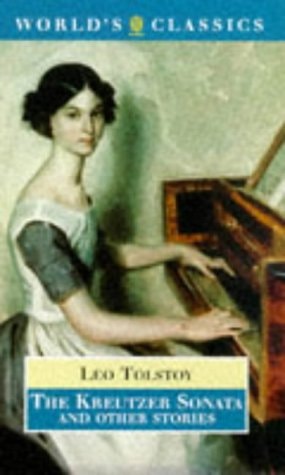
The Kreutzer Sonata and Other Stories
0
0
As an Amazon Associate and affiliate partner, Menrva Books earns from qualifying purchases. Learn more
Author Description
These four novellas--Family Happiness, The Kreutzer Sonata, The Cossacks, and Hadji Murad--each unique in form, show Tolstoy at his creative height. This edition uses the acclaimed Maude translations, (except for Family Happiness, translated by J.D. Huff), modernized and corrected against modern Russian editions to create this English language version. While the Afterword to The Kreutzer Sonata appears for the first time in English with the story. The explanatory notes and substantial introduction use the most recent scholarship in the field to further illuminate Tolstoy's works of shorter fiction.
Menrva's Summary
THE PULSE
Leo Tolstoy explores the volatile intersections of human desire, social expectation, and moral decay through a collection of four distinct novellas. Each narrative follows protagonists grappling with the constraints of nineteenth-century Russian society, ranging from the domestic disillusionment in Family Happiness to the intense psychological obsession found in The Kreutzer Sonata. The stories utilize varied narrative frameworks, including first-person confessionals and third-person historical accounts, to examine how individual impulses collide with rigid cultural norms. The characters face logical and physical barriers imposed by class, marriage, and military duty, forcing them to confront the consequences of their personal choices.
INSIDE THE PAGES
- Psychological realism focusing on internal moral conflict
- Exploration of the institution of marriage and its societal pressures
- Contrast between rural simplicity and urban complexity
- Use of the confessional narrative style in The Kreutzer Sonata
- Examination of military life and cultural identity in The Cossacks and Hadji Murad
- Detailed character studies of individuals in transition
- Integration of philosophical commentary on human nature
- Translation by the Maude family, noted for historical accuracy
THE COLLECTIVE ECHO
Readers and critics frequently highlight the collection as a definitive look at Tolstoy's mastery of the shorter narrative form. Discussion often centers on the stark contrast between the romantic idealism of his earlier works and the biting, cynical social critique present in his later writing. Many observers note that the inclusion of the Afterword to The Kreutzer Sonata provides essential context for understanding the author's controversial views on celibacy and morality. The pacing is described as deliberate and character-driven, prioritizing deep psychological inquiry over rapid plot progression. Scholars often emphasize that these stories serve as a vital bridge between Tolstoy's early literary successes and his later philosophical treatises.
Page Count:
512
Publication Date:
1997-09-04
Publisher:
Oxford University Press
ISBN-10:
0192832352
ISBN-13:
9780192832351
Short Stories
Russian
Classic Literature
Realism
Philosophical
Novella
Community Tags
Other Editions(21)
Independently Published
2021
Default edition
Independently Published
2021
Independently Published
2020

Amazon Digital Services LLC - KDP Print US
2020
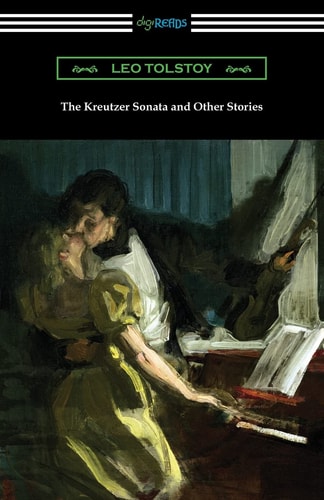
Digireads.com Publishing
2020
CreateSpace Independent Publishing Platform
2018

Jovian Press
2017
CreateSpace Independent Publishing Platform
2016
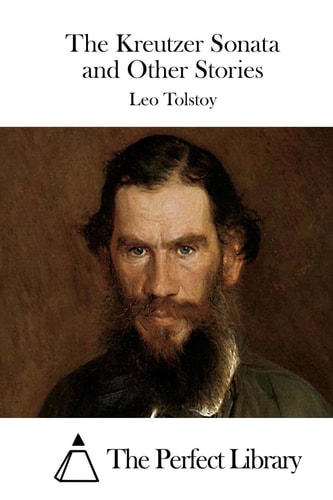
CreateSpace Independent Publishing Platform
2015

CreateSpace Independent Publishing Platform
2014
Literary Licensing, LLC
2014

CreateSpace Independent Publishing Platform
2013
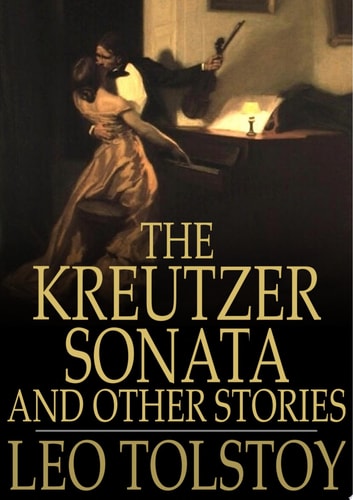
The Floating Press
2012

CreateSpace Independent Publishing Platform
2011
Kessinger Publishing, LLC
2010
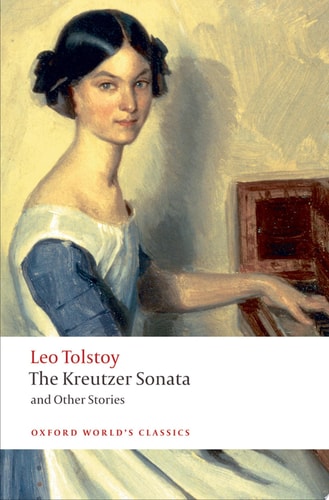
Oxford University Press
2009

National Geographic Books
2008
Oxford University Press
1997

Penguin UK
1985
CreateSpace Independent Publishing Platform
1889

CreateSpace Independent Publishing Platform
1889


Reader Comments
Share Your Thoughts
No comments yet. Be the first to share your thoughts!