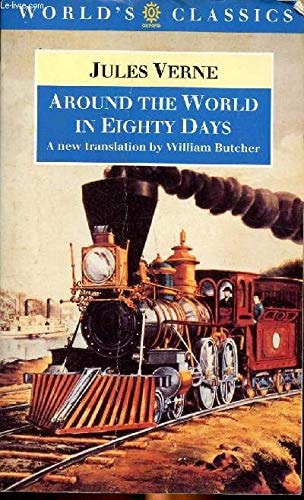
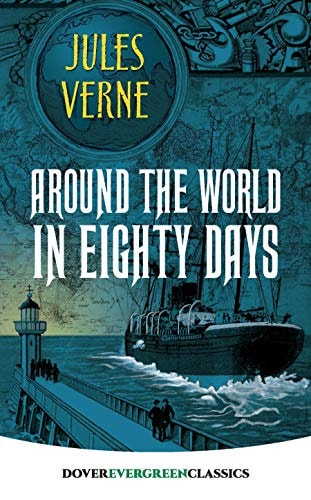
Around the World in Eighty Days
0
0
As an Amazon Associate and affiliate partner, Menrva Books earns from qualifying purchases. Learn more
Author Description
Around the World in Eighty Days has been a bestseller for over a century, but it has never before appeared in a critical edition. While most translations misread or even abridge the original, this stylish new version is completely true to Verne's classic, moving as fast and as brilliantly as Phineas Fogg's own race against time. Around the World in Eighty Days offers a strong dose of post-romantic reality but not a shred of science fiction: its modernism lies instead in the experimental technique and Verne's unique twisting of space and time.
Menrva's Summary
THE PULSE
Phileas Fogg wagers his entire fortune that he can circumnavigate the globe in eighty days, initiating a high-stakes race against the constraints of nineteenth-century transportation. Fogg, a precise and stoic gentleman, must navigate logistical hurdles and unforeseen delays alongside his newly hired valet, Passepartout. The narrative follows their movement across continents, hindered by the physical limitations of steamships and railways, while a persistent detective shadows their progress under the mistaken belief that Fogg is a bank robber. The story unfolds through a third-person perspective that emphasizes the mechanical efficiency of the era's travel infrastructure.
INSIDE THE PAGES
- Precise, clockwork-driven narrative pacing
- Exploration of Victorian-era global transportation networks
- Contrast between the stoic protagonist and his impulsive valet
- Use of geographical and logistical obstacles as primary antagonists
- Episodic structure mirroring the stages of a global itinerary
- Focus on the intersection of human ambition and industrial technology
- Minimalist character development favoring archetypal roles
- Emphasis on the concept of time as a quantifiable resource
THE COLLECTIVE ECHO
Readers frequently highlight the rhythmic, propulsive nature of the narrative as it mirrors the urgency of Fogg's deadline. Discussion often centers on the technical accuracy of the travel logistics and how Verne utilizes the constraints of the period to build tension. Critics often note the balance between the dry, analytical characterization of Fogg and the more vibrant, reactive personality of Passepartout. The work is widely recognized for its influence on the adventure genre and its ability to maintain engagement through a series of escalating logistical challenges. Readers appreciate the atmospheric depiction of global travel during the late nineteenth century without the inclusion of speculative or science fiction elements.
Page Count:
247
Publication Date:
1995-04-13
Publisher:
Oxford University Press
ISBN-10:
0192830937
ISBN-13:
9780192830937
Adventure
Travel
Fiction
Victorian
classic
Community Tags
Other Editions(49)

G&D Media
2024
Default edition
Independently published
2023

BoD – Books on Demand
2022

Independently Published
2021

Loki's Publishing
2021

World Scientific
2021

Independently Published
2021

Independently Published
2021

Amazon Digital Services LLC - KDP Print US
2021

World Scientific Publishing Company Pte Limited
2021

WS Education
2021

Independently Published
2021

Independently Published
2020

Independently Published
2020

Independently Published
2020

Independently Published
2020

Independently Published
2020

Amazon Digital Services LLC - KDP Print US
2018

Narasi
2018

HarperCollins Publishers Limited
2018

Independently Published
2017
CreateSpace Independent Publishing Platform
2017

CreateSpace Independent Publishing Platform
2017
Black Cat
2017

National Geographic Books
2016
White Star Kids
2016

Creative Media Partners, LLC
2015

Penguin US
2015

Open Road Media
2015

Lerner Publishing Group
2015

CreateSpace Independent Publishing Platform
2013

Amazon Digital Services LLC - Kdp
2011
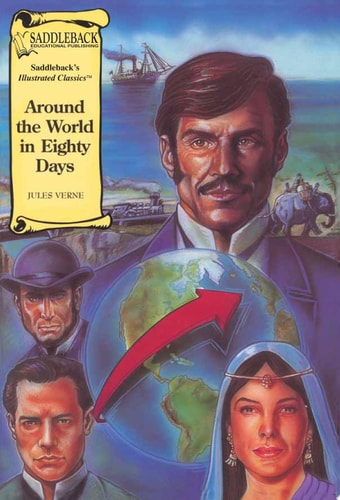
Saddleback Educational Publishing
2010
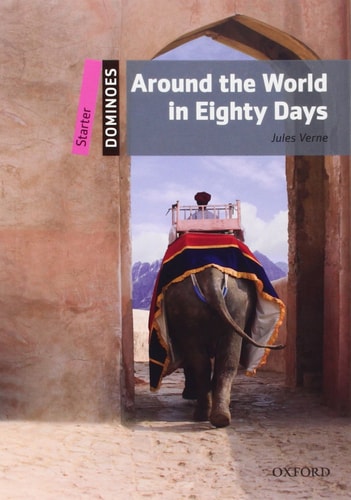
Oxford University Press
2010

Āra. Āra. Śeṭhanī Kampanī
2007
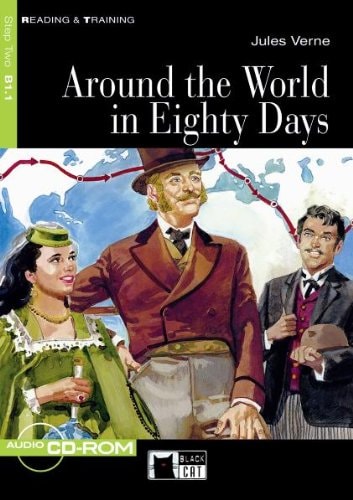
Black Cat
2006

Oxford University Press
2004

Random House Digital Inc.
2003

Oxford University Press
1999

OUP Oxford
1999
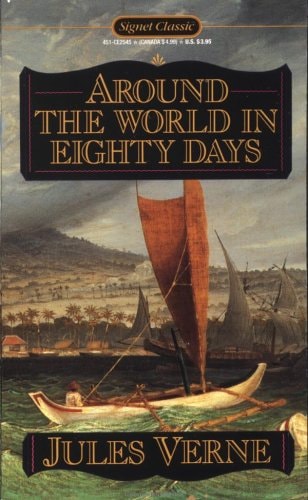
Viking
1996
Oxford University Press
1995

American Guidance Service, Incorporated
1994

Ags Classic Short Stories
1994
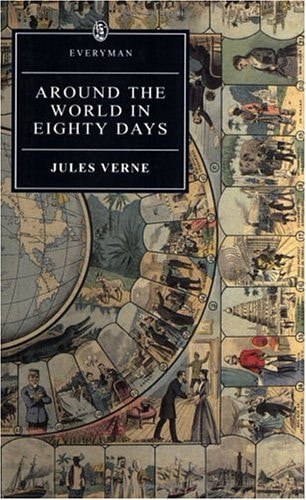
Everyman
1994

Blackstone Audiobooks
1993

Cassell
1990

Oxford University Press
1959
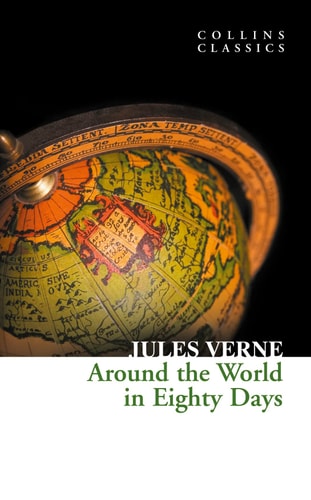
Harper Press
1873
Similar Books







Reader Comments
Share Your Thoughts
No comments yet. Be the first to share your thoughts!