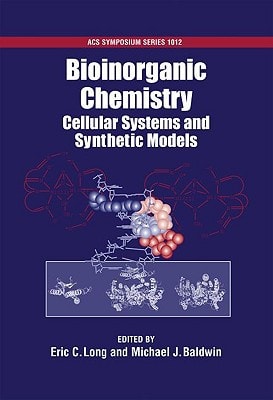
Bioinorganic Chemistry: Cellular Systems and Synthetic Models
0
0
As an Amazon Associate and affiliate partner, Menrva Books earns from qualifying purchases. Learn more
Author Description
Bioinorganic Chemistry: Cellular Systems and Synthetic Models includes chapters describing cutting-edge work by renowned researchers in the field that fall within two main areas of current bioinorganic chemistry: (1) the study of cellular systems and processes that occur inside cells that are impacted by inorganic elements, e.g., biosynthetic pathways leading to the production of vital metal-containing enzymes and proteins including iron-sulfur clusters, hemes, and cytochrome c oxidase; metal homeostasis (Zn2+ in E. coli); and new strategies to examine DNA targeting by metal-based drugs using, as an example, the clinically-employed bleomycin class of antitumor agents, and (2) sophisticated new inorganic model systems, many of which escape the traditional approach of trying to use structural mimics of the native systems to produce functional mimics and instead use a more conceptual approach to the use of bioinorganic models to understand the native system or to develop useful synthetic molecules. In the former area, unlike most traditional efforts in bioinorganic chemistry that have been devoted to studies of the structures and functions of metal centers located within individual metal-containing proteins, the topics described in this volume seek to describe whole systems of interaction between multiple interacting biomolecules that are impacted by inorganic species. In the latter area, along with chapters devoted to more traditional ligand systems and inorganic reactivities, peptide- and protein-like ligand systems are emphasized creating agents that: lead to novel structures and morphologies, de novo designed systems that model biological Hg binding, and unique DNA-targeted agents that mimic the activities of nucleic acid-targeted natural products and proteins. Together, these chapters provide examples of the exciting current work in two important areas in the exciting field of bioinorganic chemistry.
Menrva's Summary
THE THESIS
This volume investigates the cutting-edge work in bioinorganic chemistry, focusing on both the intricate processes within cellular systems and the development of sophisticated synthetic models. It presents research from renowned scientists exploring how inorganic elements impact cellular functions, including the biosynthesis of vital metalloenzymes and proteins, metal homeostasis, and novel strategies for metal-based drug targeting. The book also details the creation of advanced inorganic model systems that conceptually advance the understanding of native biological systems and the development of functional synthetic molecules, emphasizing peptide- and protein-like ligand systems for novel structures and bio-mimicry.
THE SCOPE MAP
- What You Will Find:
- Studies on cellular systems impacted by inorganic elements, such as biosynthetic pathways for metalloenzymes and proteins (e.g., iron-sulfur clusters, hemes, cytochrome c oxidase).
- Research on metal homeostasis, exemplified by Zn2+ in E. coli.
- Exploration of new strategies for examining DNA targeting by metal-based drugs, using bleomycin as a case study.
- Discussion of sophisticated inorganic model systems that use conceptual approaches to understand native systems or develop synthetic molecules.
- Emphasis on peptide
- and protein-like ligand systems for creating novel structures and de novo designed systems that model biological metal binding.
- Examples of unique DNA-targeted agents mimicking natural products and proteins.
- Focus on whole systems of interaction between multiple biomolecules influenced by inorganic species, moving beyond single protein studies.
THE AUTHORITY PERSPECTIVE
This collection of research provides a comprehensive overview of current advancements in bioinorganic chemistry, highlighting the interdisciplinary nature of the field. The chapters offer insights into both fundamental biological processes and innovative synthetic applications, serving as a valuable resource for researchers and students. The work presented demonstrates a shift towards understanding complex cellular systems and conceptual model development, pushing the boundaries of the discipline.
Page Count:
264
Publication Date:
2009-06-19
Publisher:
American Chemical Society
ISBN-10:
0841269750
ISBN-13:
9780841269750
Science
Research
Biochemistry
Chemistry
Community Tags
Similar Books







Reader Comments
Share Your Thoughts
No comments yet. Be the first to share your thoughts!