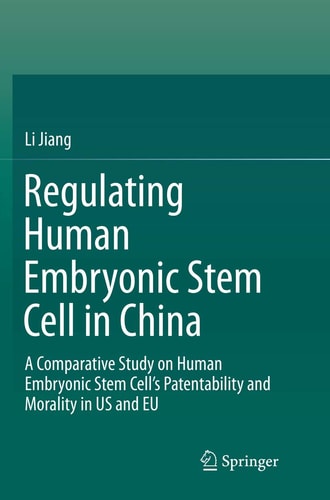
Regulating Human Embryonic Stem Cell in China: A Comparative Study on Human Embryonic Stem Cell’s Patentability and Morality in US and EU
0
0
As an Amazon Associate and affiliate partner, Menrva Books earns from qualifying purchases. Learn more
Author Description
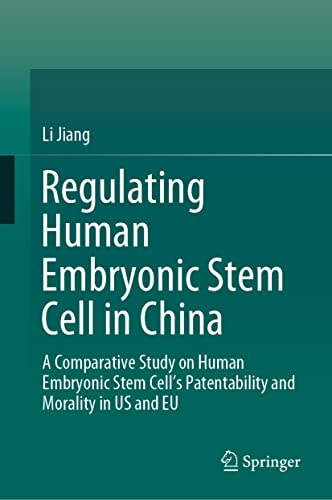
The general scope of the book is the patentability and morality of human embryonic stem cell research in US, EU and China. The book observes fraudsters operate unsafe human embryonic stem cell therapies and officialdom turns a blind eye to the immoral human embryonic stem cell research in China. The book highlights that both patent control and federal funding control are inefficient and ineffective way to monitoring human embryonic stem cell research. The book finally proposed an approach for china to regulating human embryonic stem cell research-regulating research itself at the reconciled international regime. The potential reader includes academics and practitioners dealing with intellectual property, patent law and stem cell inventions. The topic discussed will also be interesting to a broad readership, including experts, regulators, policy makers and medical researchers in both ethical and legal disciplines in the field of embryonicstem cell research.
Menrva's Summary
THE THESIS
This book investigates the complex legal, ethical, and patentability issues surrounding human embryonic stem cell research, with a particular focus on China, the US, and the EU. It examines how regulatory frameworks in these regions grapple with the moral implications and patent claims related to stem cell therapies, highlighting instances of fraudulent practices and official negligence in China. The author argues that current patent and funding controls are insufficient for effective monitoring and proposes a new regulatory approach for China that aligns with international standards.
THE SCOPE MAP
- Comparative analysis of human embryonic stem cell patentability and morality in China, the US, and the EU.
- Examination of unsafe stem cell therapies and regulatory oversight failures in China.
- Critique of the effectiveness of patent control and federal funding control in monitoring stem cell research.
- Proposal for a new regulatory framework for human embryonic stem cell research in China, reconciled with international norms.
- Discussion of ethical and legal considerations in stem cell research.
THE AUTHORITY PERSPECTIVE
The book is positioned as a resource for academics and practitioners in intellectual property, patent law, and stem cell inventions, while also aiming to engage a broader audience including experts, regulators, policymakers, and medical researchers in the ethical and legal aspects of embryonic stem cell research. The comparative approach suggests a detailed examination of differing legal and ethical stances across major global regions. The focus on regulatory challenges and proposed solutions indicates a forward-looking analysis relevant to ongoing debates in biotechnology law and ethics.
Page Count:
200
Publication Date:
2018-06-12
Publisher:
Springer Nature Singapore
ISBN-10:
9811095280
ISBN-13:
9789811095283
Science
Politics
Non-Fiction
Patent Law
Bioethics
Comparative Law
Intellectual Property
Stem Cell Research
Community Tags
Other Editions(2)
Similar Books