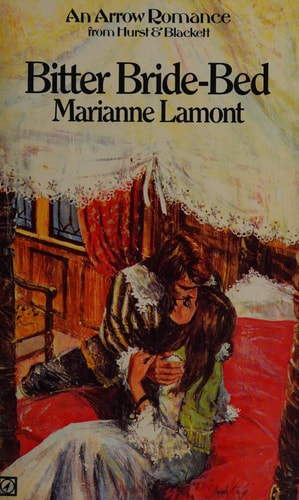
Bitter bride-bed (An Arrow romance)
0
0
As an Amazon Associate and affiliate partner, Menrva Books earns from qualifying purchases. Learn more
Author Description
Montrose had come out for King Charles and Scotland was once again divided. Barbary Graham, the King's young relative, had been forced into a marriage with a man she hated. Always a tomboy, she wished to be like the strange Mrs. Frances Pierson, riding to war against the Covenanters with the Earl of Carnwath, dressed in armour and calling herself Captain Dalziel. Barbary tricks her husband, Drummond, into allowing her to accompany him as a groom, and from then on is involved in the realities of war.It is only when she imagines she has lost everything she loved that she finds she has salvaged what is, after all, the most important thing.
Menrva's Summary
THE PULSE
Barbary Graham, a young woman forced into a detested marriage, abandons her domestic life to follow her husband into the chaos of the Scottish Civil War. Seeking to emulate the unconventional Mrs. Frances Pierson, who fights in armor, Barbary disguises herself as a groom to accompany her husband, Drummond, to the front lines. The narrative follows her transition from a reluctant bride to a participant in the brutal realities of the conflict between the Royalists and the Covenanters. As she navigates the physical dangers of the battlefield and the logical constraints of her deception, she must confront the shifting nature of her own loyalties and desires. The story unfolds as a character-driven account of personal discovery set against the backdrop of a fractured nation.
INSIDE THE PAGES
- Historical setting during the Scottish Civil War
- Gender-bending disguise as a central plot device
- Exploration of the Royalist versus Covenanter conflict
- Character arc from tomboyish youth to mature realization
- Focus on the domestic versus military sphere
- Themes of forced marriage and personal autonomy
- Inclusion of historical figures like the Earl of Carnwath
- Third-person narrative perspective
THE COLLECTIVE ECHO
Readers often note the book's focus on the contrast between the rigid social expectations of the era and the protagonist's desire for independence. Discussion frequently centers on the effectiveness of the historical setting, particularly how the author integrates the political tensions of the time with the personal stakes of the marriage. Critics highlight the pacing as steady, balancing the internal development of the protagonist with the external pressures of the war. Many readers appreciate the specific focus on the unconventional role of women in seventeenth-century warfare. The narrative is generally regarded as a character-focused exploration of identity and reconciliation within a volatile historical context.
Page Count:
187
Publication Date:
1971-01-01
Publisher:
Arrow
ISBN-10:
0090051602
ISBN-13:
9780090051601
Adventure
Romance
Historical Romance
War
Scottish History
Community Tags
Similar Books