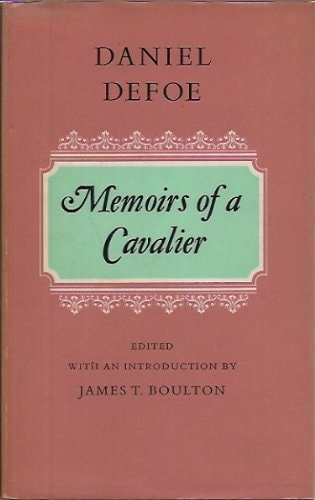
Memoirs of a Cavalier
0
0
As an Amazon Associate and affiliate partner, Menrva Books earns from qualifying purchases. Learn more
Author Description
Daniel Defoe is, perhaps, best known to us as the author of Robinson Crusoe, a book which has been the delight of generations of boys and girls ever since the beginning of the eighteenth century. For it was then that Defoe lived and wrote, being one of the new school of prose writers which grew up at that time and which gave England new forms of literature almost unknown to an earlier age. Defoe was a vigorous pamphleteer, writing first on the Whig side and later for the Tories in the reigns of William III and Anne. He did much to foster the growth of the newspaper, a form of literature which henceforth became popular.
Menrva's Summary
THE PULSE
A young Englishman finds himself swept into the chaos of the Thirty Years' War and the English Civil War, forcing him to navigate the shifting loyalties of 17th-century Europe.
The protagonist, a gentleman volunteer, seeks military glory and experience across the battlefields of the continent and his home country. He faces the brutal realities of siege warfare, political instability, and the moral ambiguity of serving various commanders. The narrative is presented as a first-person memoir, utilizing a pseudo-autobiographical framework to lend historical authenticity to the account. His primary objective is to survive the conflicts while maintaining his status as a cavalier, often clashing with the logistical failures and shifting alliances of the era.
INSIDE THE PAGES
- First-person pseudo-memoir perspective
- Detailed accounts of 17th-century military tactics
- Episodic structure covering multiple European campaigns
- Focus on the logistical challenges of early modern warfare
- Exploration of the cavalier code of honor
- Realistic depictions of camp life and civilian impact
- Integration of historical figures and events
- Didactic tone regarding the consequences of civil strife
THE COLLECTIVE ECHO
Readers and critics frequently note the effectiveness of the book's realistic, journalistic prose, which mimics the style of actual historical accounts from the period. Discussion often centers on the blurred lines between fiction and historical record, as the narrative is so convincing that it was long mistaken for a genuine memoir. The pacing is deliberate, prioritizing the technical aspects of military maneuvers and the socio-political climate over rapid character development. Many highlight the book as a significant example of early prose fiction that established conventions for the historical novel genre. The work remains a subject of interest for those examining how Defoe utilized the memoir format to explore the complexities of war and loyalty.
Page Count:
338
Publication Date:
1972-01-01
Publisher:
Oxford University Press
ISBN-10:
0192553631
ISBN-13:
9780192553638
Adventure
Historical Fiction
Classic Literature
18th century
War
Community Tags
Other Editions(9)

Independently Published
2020
Default edition
Independently Published
2020

Echo Library
2019
CreateSpace Independent Publishing Platform
2017

CreateSpace Independent Publishing Platform
2017

CreateSpace Independent Publishing Platform
2017
Oxford University Press
1991
Oxford University Press
1978
Oxford University Press
1972
Similar Books
Reader Comments
Share Your Thoughts
No comments yet. Be the first to share your thoughts!