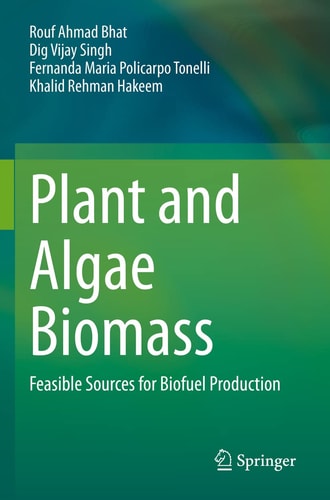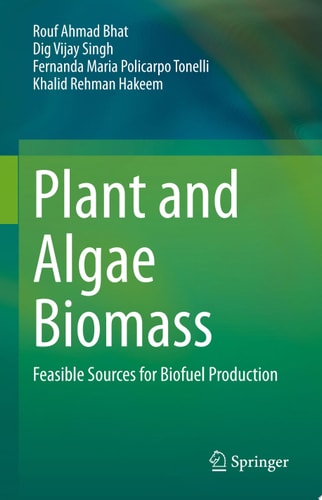
Plant and Algae Biomass
0
0
As an Amazon Associate and affiliate partner, Menrva Books earns from qualifying purchases. Learn more
Author Description
This volume discusses how plant and algae organisms play a pivotal role in the transformation of solar energy to essential metabolites, and explores the numerous beneficial roles these metabolites have at an industrial level. It presents information on the utilization of plant and algae for biomass production, and shows how this is a practical option for large scale biofuel production. The book examines how these bio-metabolites can then be used to extract biofuel. Biomass produced from plants and algae can act as the source of feedstock for biofuel production and industrially important compounds. This book also explores that by curtailing culturing cost using wastewater, seawater, and industrial water as a nutrient and water source, biomass becomes an economical energy source. The introductory chapters of the book focus on the appreciative values of a pollution-free atmosphere, with special reference to enhanced greenhouse effect, and then are followed by chapters on the potential of plant and algae as a liquid energy resource. This book targets researchers, graduate students, and energy and fuel industry professionals interested in the plant sciences, biotechnology and renewable energy.
Menrva's Summary
THE THESIS
This volume investigates the critical role of plant and algae biomass in energy production and industrial applications. It details how these organisms convert solar energy into valuable metabolites, exploring their potential for large-scale biofuel production and the extraction of industrially important compounds. The book examines cost-reduction strategies, such as using wastewater for cultivation, to make biomass an economical energy source. It also addresses the environmental context, including pollution and the greenhouse effect, before focusing on plants and algae as liquid energy resources.
THE SCOPE MAP
- Utilization of plant and algae for biomass production
- Extraction of biofuel from bio-metabolites
- Use of biomass as feedstock for biofuel and industrial compounds
- Curtailing culturing costs using wastewater, seawater, and industrial water
- Value of a pollution-free atmosphere and the greenhouse effect
- Potential of plants and algae as a liquid energy resource
THE AUTHORITY PERSPECTIVE
The book is structured to provide a comprehensive overview of plant and algae biomass for energy and industrial uses, targeting researchers, graduate students, and industry professionals. Its approach emphasizes practical applications and cost-effectiveness, particularly in biofuel production. The content likely appeals to those in plant sciences, biotechnology, and renewable energy sectors seeking detailed information on sustainable resource utilization. The focus on environmental considerations alongside economic viability suggests a balanced perspective on renewable energy solutions.
Page Count:
164
Publication Date:
2022-02-17
Publisher:
Springer Nature
ISBN-10:
3030940748
ISBN-13:
9783030940744
Science
Non-Fiction
Plant Sciences
Algae
Biotechnology
Community Tags
Similar Books