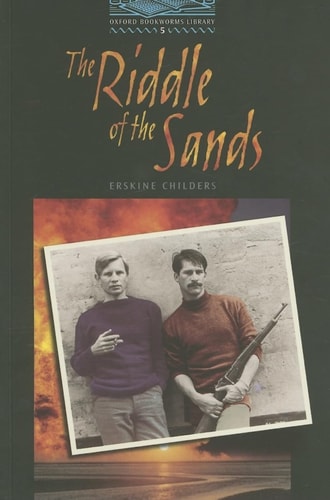
The Riddle of the Sands
0
0
As an Amazon Associate and affiliate partner, Menrva Books earns from qualifying purchases. Learn more
Author Description
When Carruthers joins his friend Arthur Davies on his yacht Dulcibella, he is expecting a pleasant sailing holiday in the Baltic Sea. But the holiday turns into an adventure of a different kind. He and Davies soon find themselves sailing in the stormy waters of the North Sea, exploring the channels and hidden sandbanks around the German Frisian Islands, and looking for a secret – a secret that could mean great danger for England. Erskine Childers' novel, published in 1903, was the first great modern spy story, and is still as exciting to read today as it was a hundred years ago.
Menrva's Summary
THE PULSE
A routine sailing holiday transforms into a high-stakes maritime investigation when two men uncover a clandestine threat to national security. Carruthers, an office-bound civil servant, expects a leisurely excursion with his acquaintance Arthur Davies aboard the yacht Dulcibella. Instead, he finds himself navigating the treacherous, shallow waters of the German Frisian Islands under the guidance of a man obsessed with a mysterious secret. The narrative unfolds through a combination of first-person accounts and detailed nautical logs, emphasizing the physical isolation of the North Sea and the logical rigor required to survive its shifting sandbanks.
INSIDE THE PAGES
- First-person narrative perspective providing an intimate view of the protagonist's growing suspicion.
- Detailed nautical descriptions of sailing maneuvers and coastal navigation.
- Atmospheric setting focusing on the volatile North Sea and the Frisian Islands.
- Slow-burn pacing that builds tension through environmental hazards rather than overt combat.
- Epistolary elements including logs, charts, and letters that ground the mystery in reality.
- Exploration of early 20th-century geopolitical anxieties regarding naval power.
- Character-driven development as Carruthers transitions from a reluctant participant to an active investigator.
- Focus on technical precision and the logistical challenges of maritime espionage.
THE COLLECTIVE ECHO
Readers frequently highlight the meticulous attention to detail regarding sailing and navigation, which serves to heighten the realism of the maritime setting. Discussion often centers on the novel's status as a foundational text in the spy genre, noting how it prioritizes intellectual deduction and environmental observation over traditional action sequences. Critics often point to the slow-burn pacing as a deliberate choice that mirrors the patience required for the characters' reconnaissance mission. The balance between the technical descriptions of the North Sea and the underlying political intrigue remains a primary point of interest for those examining the evolution of the thriller format.
Page Count:
112
Publication Date:
2004-11-04
Publisher:
Oxford University Press
ISBN-10:
0194230724
ISBN-13:
9780194230728
Adventure
Thriller
Historical
Spy
classic
Community Tags
Other Editions(61)
Alpha Editions
2023
Default edition
BoD - Books on Demand
2023
Lulu.com
2022

Independently Published
2021
Amazon Digital Services LLC - KDP Print US
2021
Independently Published
2020
Independently Published
2020

CreateSpace Independent Publishing Platform
2018

CreateSpace Independent Publishing Platform
2018

BoD – Books on Demand
2018
CreateSpace Independent Publishing Platform
2018

CreateSpace Independent Publishing Platform
2018

CreateSpace Independent Publishing Platform
2018

CreateSpace Independent Publishing Platform
2018

CreateSpace Independent Publishing Platform
2018
CreateSpace Independent Publishing Platform
2018
CreateSpace Independent Publishing Platform
2018

CreateSpace Independent Publishing Platform
2017

CreateSpace Independent Publishing Platform
2017

CreateSpace Independent Publishing Platform
2017

CreateSpace Independent Publishing Platform
2017

CreateSpace Independent Publishing Platform
2017

CreateSpace Independent Publishing Platform
2016

CreateSpace Independent Publishing Platform
2016

CreateSpace Independent Publishing Platform
2016
CreateSpace Independent Publishing Platform
2016
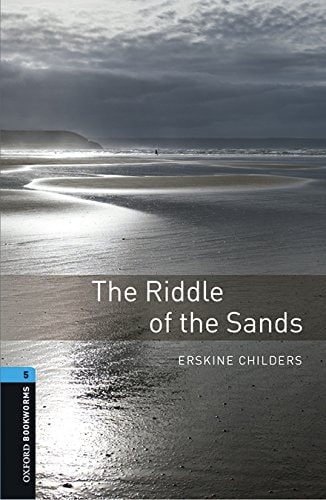
Oxford University Press España, S.A.
2016
CreateSpace Independent Publishing Platform
2015

CreateSpace Independent Publishing Platform
2015

CreateSpace Independent Publishing Platform
2015

CreateSpace Independent Publishing Platform
2014

CreateSpace Independent Publishing Platform
2013

Random House
2013
CreateSpace Independent Publishing Platform
2013

CreateSpace Independent Publishing Platform
2012
Oxford University Press
2012
Wordsworth Editions, Limited
2009

Digireads.com Publishing
2009
Atlantic Books
2009
Dodo Press
2008

Fireship Press
2008

Collector's Library
2008

Penguin
2007

ReadHowYouWant.com
2006
eBooksLib
2005
Oxford University Press
2004

EBooksLib
2004

Seafarer Books
1998
North Books
1992

Buccaneer Books, Incorporated
1990
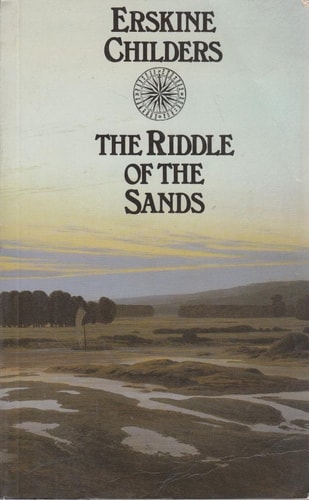
Grafton
1986

Dent
1984

Charnwood
1984

HarperCollins Publishers Ltd
1978
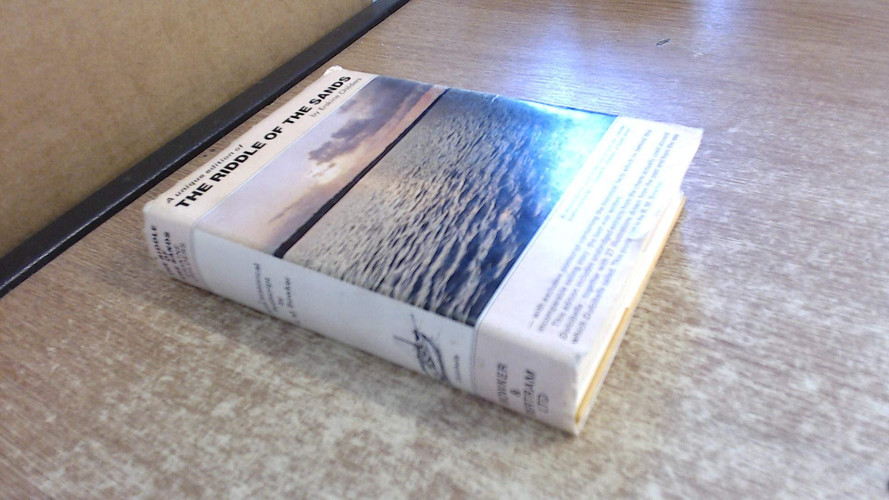
BOWKER & BERTRAM LTD
1976

Heinemann Educational
1973
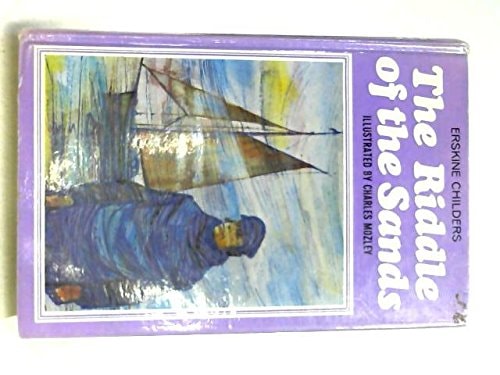
E P Dutton
1970

Huge Print Press
1948

Huge Print Press
1946

Huge Print Press
1903

Huge Print Press
1900
Similar Books











Reader Comments
Share Your Thoughts
No comments yet. Be the first to share your thoughts!