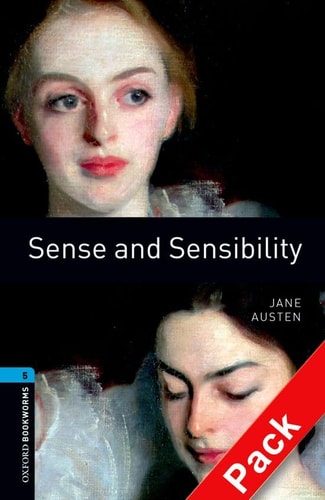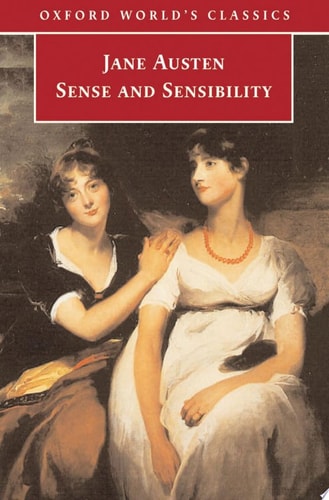
Sense and Sensibility
0
0
As an Amazon Associate and affiliate partner, Menrva Books earns from qualifying purchases. Learn more
Author Description
When Mr. Dashwood dies, he must leave the bulk of his estate to the son by his first marriage, which leaves his second wife and three daughters (Elinor, Marianne, and Margaret) in straitened circumstances. They are taken in by a kindly cousin, but their lack of fortune affects the marriageability of both practical Elinor and romantic Marianne. When Elinor forms an attachment for the wealthy Edward Ferrars, his family disapproves and separates them. And though Mrs. Jennings tries to match the worthy (and rich) Colonel Brandon to her, Marianne finds the dashing and fiery Willoughby more to her taste. Both relationships are sorely tried. But this is a romance, and through the hardships and heartbreak, true love and a happy ending will find their way for both the sister who is all sense and the one who is all sensibility.
Menrva's Summary
THE PULSE
The sudden death of Mr. Dashwood forces his widow and three daughters into financial instability, setting the stage for a social struggle where marriage serves as the primary means of survival. Elinor and Marianne Dashwood navigate the rigid expectations of 19th-century English society, each attempting to secure their future while balancing personal integrity against the pressures of class and wealth. Elinor, the embodiment of prudence, suppresses her own desires to maintain familial stability, while Marianne, driven by intense emotion, risks social ruin through her impulsive romantic choices. The narrative unfolds through a third-person omniscient perspective that highlights the contrast between rational restraint and emotional vulnerability.
INSIDE THE PAGES
- Examination of the socio-economic pressures on women in the Regency era
- Use of irony to critique the manners and morals of the landed gentry
- Contrast between the rational temperament of Elinor and the impulsive nature of Marianne
- Exploration of the conflict between personal desire and familial duty
- Detailed depiction of domestic life and social rituals in rural England
- Focus on the role of inheritance laws in shaping the lives of women
- Development of complex secondary characters who serve as foils to the protagonists
- Emphasis on the importance of reputation and social standing in courtship
THE COLLECTIVE ECHO
Readers frequently highlight the sharp wit and psychological insight that define the narrative style of this work. Discussion often centers on the effectiveness of the character foils, as the contrast between the sisters provides a framework for exploring the tension between logic and emotion. Critics often point to the meticulous world-building that captures the nuances of social hierarchy and the limitations placed upon women during the period. The pacing is noted for its steady, deliberate focus on character growth rather than external action, which allows for a deep exploration of the themes of integrity and social expectation. Many readers appreciate how the resolution balances the necessity of practical security with the fulfillment of personal affection.
Page Count:
99
Publication Date:
1900-01-01
ISBN-10:
0194234932
ISBN-13:
9780194234931
Romance
classic
Historical
Domestic
Social Satire
Community Tags
Similar Books