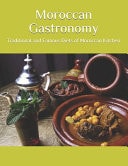
Moroccan Gastronomy: Traditional and Famous Diets of the Moroccan Kitchen
0
0
As an Amazon Associate and affiliate partner, Menrva Books earns from qualifying purchases. Learn more
Author Description
Observing the ways of cooking and eating is a wonderful way to discover the history and culture of a country. In the event, Moroccan cuisine is a reflection of the country: warm, generous, colorful, fragrant, subtle...Moroccan kitchen reflects the complex history of the country and the different populations that are installed there. Tajine and Harira come from Berbers; the original inhabitants of the region. The Bedouins brought dates, milk, cereal and bread while the Moors introduced olive oil, almonds, fruits and herbs. The Arabs brought the spices, not to mention the British who, in the eighteenth century, brought the famous tea.In Morocco, kitchen is exclusively the field of women, except for preparing barbecue and skewers. Women reproduce the actions of their mothers and grandmothers; they generally ignore cookbooks and precise dosages. Also, if Moroccan kitchen is simple, its variations are endless. The Cooker Mourad Mazouz said: there are "as many couscous villages, as many as tagines vegetable gardens, as many desserts as orchards and many recipes, secrets jealously guarded as family."The first ritual of the meal is to wash hands, then say "Bismillah!" ("In the name of God") by putting himself at the table, often eaten on a mat or on cushions around a round coffee table, the bread, round and flat, used fork, because the dishes are tasted traditionally with the thumb, index and middle finger of the right hand (the left hand is considered unclean in Muslim countries). Finally, know that Moroccan food is generally plentiful, it is not rude not finish his plate.Morocco is on your dishMoroccan kitchen consists of inexpensive products, the spice art, herbs and flowers of water turn into a feast.*The entreesMeals often start with raw salads or cooked or cold vegetable purees. Briouates, Feggous and other pigeon pastilla will whet your appetite.*The dishes of meat or fishThe best known are the tajine and couscous, whose revenues are many and varied, combining infini
Menrva's Summary
THE THESIS
This book explores the rich tapestry of Moroccan cuisine, examining its traditional diets and famous dishes as a reflection of the country's history and culture. The author details how Moroccan cuisine is a blend of influences from its various historical inhabitants, including Berbers, Bedouins, Moors, and Arabs, each contributing unique ingredients and culinary techniques. The text highlights the central role of women in Moroccan kitchens, their intuitive approach to cooking, and the endless variations in traditional dishes like tajine and couscous. It also describes the rituals surrounding meals, from hand washing to the traditional method of eating with the right hand, emphasizing the abundance and generosity inherent in Moroccan hospitality.
THE SCOPE MAP
- The historical influences on Moroccan cuisine from various cultures (Berbers, Bedouins, Moors, Arabs, British).
- The central role of women in traditional Moroccan cooking and their intuitive methods.
- Descriptions of iconic dishes such as tajine and couscous, noting their numerous variations.
- The cultural rituals and etiquette associated with Moroccan meals.
- An overview of typical Moroccan meal structure, including appetizers and main meat or fish dishes.
- The use of inexpensive, flavorful ingredients like spices, herbs, and flowers to create feasts.
THE AUTHORITY PERSPECTIVE
This book appears to offer an accessible introduction to Moroccan culinary traditions, likely appealing to those interested in food history and cultural exploration. The description suggests a focus on the heritage and cultural significance of Moroccan dishes, rather than a purely instructional cookbook. It frames Moroccan cuisine as a direct reflection of the nation's diverse history and the communal nature of its food preparation.
Page Count:
61
Publication Date:
2020-03-09
Publisher:
Independently Published
ISBN-13:
9798623018922
Cooking
History
Non-Fiction
Culture
Community Tags
Similar Books









Reader Comments
Share Your Thoughts
No comments yet. Be the first to share your thoughts!