Longevity Genes: A Blueprint for Aging
0
0
As an Amazon Associate and affiliate partner, Menrva Books earns from qualifying purchases. Learn more
Author Description
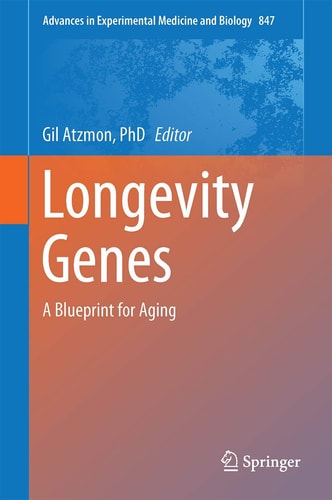
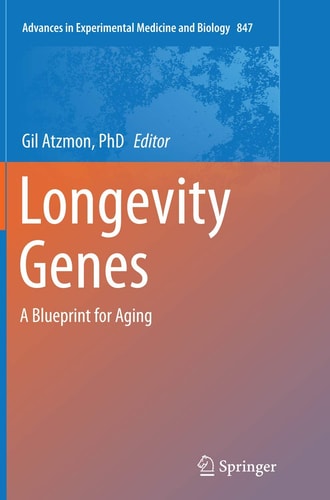
The release of the complete version of the human genome sequence in 2003 has paved the way for defining gene function and genetic background for phenotypic variation in humans and allowed us to study the aging process in a new light. This new volume results from that research and focuses on the genetic and epigenetic process of aging. While the interpretation of the genome data is still in its initial stages, this new volume looks at the evolving understanding of molecular mechanisms involved in cellular processes, gene function associated with complex traits, epigenetic components involve in gene control and the creation of hypothesis-free genome-wide approaches. Longevity Genes: A Blueprint for Aging explores the genetic and genomic elements that can maintain a long life such as DNA damage mechanisms, epigenetics and the way we can use this knowledge to generate customized treatments. It touches on some of the multidisciplinary approaches as well as genomic-wide association technology used to analyze complex traits. This book describes the hunt for genes affecting complex traits using a high throughput technology, with adequate consideration for the selection of an appropriate population, applications of statistical genetics and computational biology, and most importantly, considering phenotype-genotype association studies. Longevity Genes provides coverage of not only established aspects of genetics and aging, but also new approaches and perceptions in this important area of research.
Menrva's Summary
THE THESIS
This book investigates the genetic and epigenetic underpinnings of human longevity, seeking to define the molecular mechanisms that contribute to a long lifespan. Gil Atzmon, a researcher in the field, synthesizes recent advancements in genomics following the completion of the human genome sequence. The book examines how DNA damage mechanisms, epigenetic modifications, and genome-wide association studies are being utilized to understand complex traits related to aging and to develop personalized treatments. It explores the multidisciplinary approaches and high-throughput technologies employed in identifying genes associated with longevity, emphasizing the importance of population selection and statistical genetics.
THE SCOPE MAP
- The role of DNA damage mechanisms in maintaining longevity.
- Detailed exploration of epigenetic components involved in gene control and aging.
- Applications of genome-wide association studies (GWAS) for complex traits.
- Considerations for population selection in genetic research.
- The use of high-throughput technology in identifying longevity genes.
- The intersection of genetics, epigenetics, and personalized medicine for aging.
THE AUTHORITY PERSPECTIVE
This volume offers a comprehensive overview of the genetic and genomic factors influencing longevity, building upon the foundational release of the human genome sequence. It delves into the evolving understanding of molecular mechanisms, epigenetic influences, and the application of advanced technologies like GWAS in aging research. The book is structured to cover both established knowledge and emerging perceptions in the field, providing a detailed look at the scientific pursuit of understanding and potentially influencing the aging process through genetic insights.
Page Count:
194
Publication Date:
2016-10-05
Publisher:
Springer New York
ISBN-10:
1493955551
ISBN-13:
9781493955558
Science
Non-Fiction
Aging
Genomics
Genetics
Epigenetics