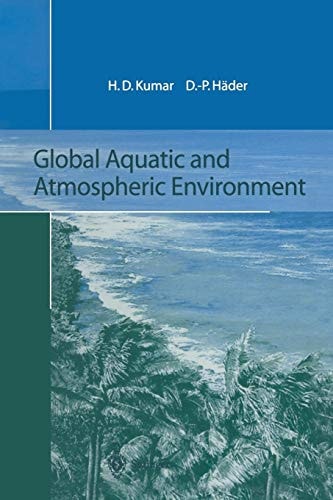
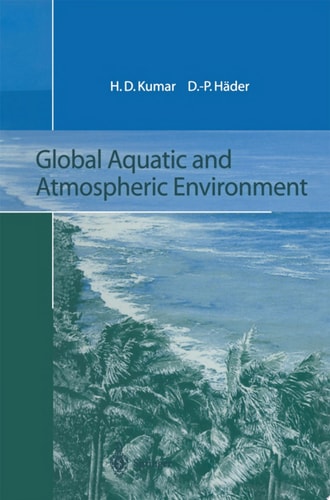
Global Aquatic and Atmospheric Environment
0
0
As an Amazon Associate and affiliate partner, Menrva Books earns from qualifying purchases. Learn more
Author Description
During the last few decades anthropogenic activities in the industrially advanced countries have outcompeted nature in changing the global environment. This is best illustrated for example by the polluted lakes in Scandinavia and Canada, associated with acid deposition from fossil fuel combustion. One of the major challenges mankind is confronted with in the field of energy consumption is undoubtedly to ensure sustainability - a goal that requires improved management of natural resources and a substantial reduction of the noxious emissions which are dangerous to health and the environment. The threat of global climate change due to pollutant emissions causes se rious concern to many nations, and reaching an international consensus is likely to take some time. Carbon dioxide emissions have slowed only marginally in industrialized countries during the last few years, but have increased significantly in most developing countries due to increases in energy demand and the increasing use of fossil fuels, which remain the most readily available energy sources today. Unfortunately, far from learning lessons from the negative experiences of developed countries, many developing countries are taking the same path to development which has turned out to result in serious environmental consequences.
Menrva's Summary
THE THESIS
This book investigates the profound and accelerating impact of human activities on the global aquatic and atmospheric environments. It examines how anthropogenic actions, particularly in industrialized nations, have led to significant environmental changes, exemplified by acid deposition in Scandinavian and Canadian lakes. The text addresses the critical challenge of energy consumption and sustainability, emphasizing the need for better resource management and reduced emissions. It also highlights the global concern over climate change driven by pollutant emissions, noting the differing trends in emission reductions between developed and developing countries.
THE SCOPE MAP
- Analysis of anthropogenic impacts on global aquatic environments, including acid deposition.
- Discussion of energy consumption, sustainability, and resource management challenges.
- Examination of the causes and consequences of global climate change due to pollutant emissions.
- Comparison of emission trends in industrialized versus developing countries.
- Exploration of the relationship between fossil fuel use and environmental degradation.
THE AUTHORITY PERSPECTIVE
The book addresses critical environmental issues stemming from industrialization and energy consumption. It highlights the complex interplay between economic development and ecological impact, particularly concerning climate change and pollution. The text likely serves as a comprehensive overview for those studying or concerned with environmental science and policy. Its focus on both aquatic and atmospheric systems suggests a broad scope for understanding interconnected environmental challenges.
Page Count:
393
Publication Date:
2014-04-13
Publisher:
Springer Berlin Heidelberg
ISBN-10:
3642642438
ISBN-13:
9783642642432
Non-Fiction
Science
Climate Change
Atmospheric Science
Pollution
Community Tags
Other Editions(3)
Similar Books