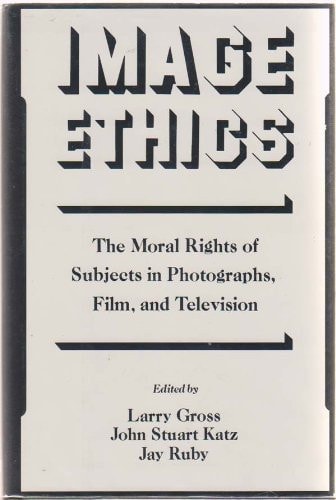
Image Ethics: The Moral Rights of Subjects in Photographs, Film, and Television
0
0
As an Amazon Associate and affiliate partner, Menrva Books earns from qualifying purchases. Learn more
Author Description
This pathbreaking collection of thirteen original essays examines the moral rights of the subjects of documentary film, photography, and television. Image makers--photographers and filmmakers--are coming under increasing criticism for presenting images of people that are considered intrusive and embarrassing to the subject. Portraying subjects in a "false light," appropriating their images, and failing to secure "informed consent" are all practices that intensify the debate between advocates of the right to privacy and the public's right to know. Discussing these questions from a variety of perspectives, the authors here explore such issues as informed consent, the "right" of individuals and minority groups to be represented fairly and accurately, the right of individuals to profit from their own image, and the peculiar moral obligations of minorities who image themselves and the producers of autobiographical documentaries. The book includes a series of provocative case studies on: the documentaries of Frederick Wiseman, particularly Titicut Follies; British documentaries of the 1930s; the libel suit of General Westmoreland against CBS News; the film Witness and its portrayal of the Amish; the film The Gods Must be Crazy and its portrayal of the San people of southern Africa; and the treatment of Arabs and gays on television. The first book to explore the moral issues peculiar to the production of visual images, Image Ethics will interest a wide range of general readers and students and specialists in film and television production, photography, communications, media, and the social sciences.
Menrva's Summary
THE THESIS
This collection investigates the ethical boundaries and moral rights of individuals depicted in documentary film, photography, and television. Edited by Jay Ruby, John Stuart Katz, and Larry Gross, the volume assembles thirteen original essays that analyze the tension between the public's right to information and the individual's right to privacy. The contributors examine the legal and moral implications of informed consent, image appropriation, and the potential for misrepresentation in visual media.
THE SCOPE MAP
What You Will Find
- Analysis of informed consent protocols in documentary production.
- Examination of the legal and moral rights of subjects to profit from their own likeness.
- Case studies including Frederick Wiseman’s Titicut Follies and the Westmoreland v. CBS libel suit.
- Discussion on the representation of marginalized groups, including the Amish, the San people, and the LGBTQ+ community.
THE AUTHORITY PERSPECTIVE
Experts identify this work as a foundational text for understanding the intersection of media production and ethical responsibility. Readers frequently note that the case studies provide a necessary practical application for the theoretical discussions regarding privacy and representation.
Page Count:
400
Publication Date:
1988-12-22
Publisher:
Oxford University Press
ISBN-10:
0195054334
ISBN-13:
9780195054330
Photography
Film Studies
Ethics
Documentary films
Media Studies
Television broadcasting
Sociology
Communication
Community Tags
Other Editions(2)
Similar Books
Reader Comments
Share Your Thoughts
No comments yet. Be the first to share your thoughts!