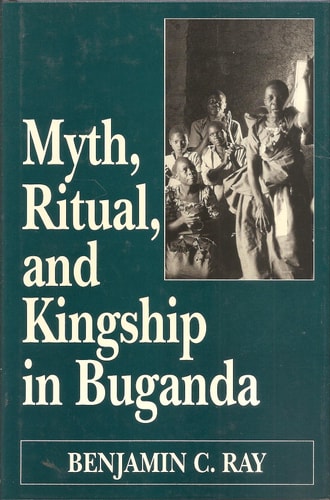
Myth, Ritual, and Kingship in Buganda
0
0
As an Amazon Associate and affiliate partner, Menrva Books earns from qualifying purchases. Learn more
Author Description
Buganda was the most prominent of the four traditional Bantu kingdoms of Uganda, which ceased to exist when the country was declared a Republic in 1967. The Kabakaship (kingship), the central institution of Buganda, was saturated with rituals and mythic images. Based on fieldwork and using extensive Luganda-language source material, this book describes and interprets the myths, rituals, shrines, and sacred regalia of the kingship within the changing contexts of the precolonial, colonial, and post-independence eras. Interpreting the Kabakaship as the symbolic center of the precolonial kingdom, this book examines James G. Frazer's theory of divine kingship, Buganda's creation myth, traditions about the origins of the kingship, regicide, royal ancestor shrines, and theories about the connection between Buganda and Ancient Egypt.
Menrva's Summary
THE THESIS
This work investigates the symbolic and political function of the Kabakaship as the foundational institution of the Buganda kingdom. Benjamin C. Ray, a scholar of religion and African studies, utilizes extensive fieldwork and primary Luganda-language sources to analyze the evolution of royal rituals and myths. The book argues that the kingship served as the central axis of Bugandan society, maintaining its symbolic weight across precolonial, colonial, and post-independence political shifts.
THE SCOPE MAP
What You Will Find
- Analysis of the Kabakaship as the symbolic center of the precolonial Buganda kingdom.
- Examination of James G. Frazer's theories regarding divine kingship in a specific cultural context.
- Detailed study of creation myths, royal ancestor shrines, and sacred regalia.
- Comparative discussion regarding historical theories linking Bugandan traditions to Ancient Egypt.
THE AUTHORITY PERSPECTIVE
Scholars recognize this text as a rigorous contribution to the study of African political theology and ritual practice. Experts frequently note the author's meticulous use of indigenous language sources to provide a nuanced interpretation of royal authority.
Page Count:
264
Publication Date:
1991-01-17
Publisher:
Oxford University Press
ISBN-10:
0195064364
ISBN-13:
9780195064360
Religion
History
Anthropology
Buganda
Uganda_history
Community Tags
Similar Books














