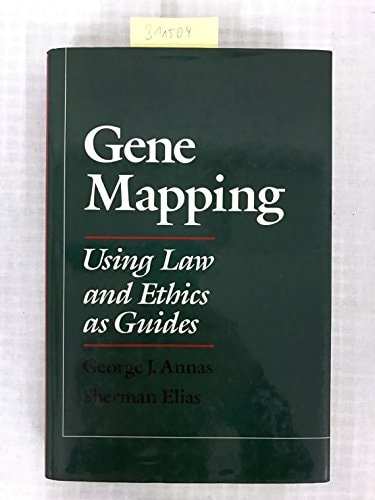
Gene Mapping: Using Law and Ethics as Guides
0
0
As an Amazon Associate and affiliate partner, Menrva Books earns from qualifying purchases. Learn more
Author Description
This pathfinding book thoroughly identifies and explores the legal and ethical dimensions of the new genetics and the Human Genome Project. While accepting the goals of modern genetics research, the book takes a critical approach to the Human Genome Project. More precise genetic information will likely result in genetic discrimination, and will threaten genetic privacy in employment and insurance. The way we view disease, normalcy and our own humanness will undergo significant change as clinical medicine becomes increasingly genetics-based. We are more than our genes, but mapping them will move society into "genetics territory," and we may act as if our genes determine our destiny.This timely work brings together a group of the nation's leading experts in genetics, medicine, history of science, health law, philosophy of science, and medical ethics to assess the current state of modern human genetics, and to begin to chart the legal and ethical guidelines needed to prevent the misuse of human genetics from leading to the abuse of human beings. The six sections of the book, read together, map the social policy contours of modern human genetics. The first part describes the science of the Human Genome Project. The second addresses specific social policy implications, including the relevance of the recombinant DNA history, the eugenics legacy, military applications, and issues of race and class in the context of genetic discrimination. Broader philosophical issues, including reductionism and determinism, the concept of disease, and using germline gene therapy to "improve" human beings are discussed in the third part. The fourth is directed at the clinical implications of the new genetics, including privacy and confidentiality, genetic screening and counseling. The fifth part focuses on the legal and ethical frontiers in genetics, especially procreative liberty, patent issues, and regulatory mechanisms. Finally, a prioritized social policy research agenda is presented.
Menrva's Summary
THE THESIS
This work investigates the critical legal and ethical frameworks required to govern the rapid advancements of the Human Genome Project and modern genetic research. Authors George J. Annas and Sherman Elias assemble a multidisciplinary panel of experts to examine how the mapping of the human genome challenges existing concepts of privacy, discrimination, and human identity. The text argues that without robust social policy, the transition into a genetics-based medical landscape risks the commodification of human life and the potential for systemic abuse.
THE SCOPE MAP
What You Will Find
- An analysis of the historical context of genetics, including the legacy of eugenics and recombinant DNA research.
- A detailed examination of the social policy implications regarding race, class, and genetic discrimination in employment and insurance.
- A philosophical critique of genetic reductionism, determinism, and the ethics of germline gene therapy.
- A review of clinical and legal frontiers, covering procreative liberty, patent law, and regulatory mechanisms for genetic screening.
THE AUTHORITY PERSPECTIVE
Experts recognize this volume as a foundational interdisciplinary text for understanding the intersection of health law and genomic science. Readers frequently note the academic density of the prose, which serves as a comprehensive resource for policymakers and bioethicists navigating the regulatory challenges of modern biotechnology.
Page Count:
10
Publication Date:
1992-10-01
Publisher:
Oxford University Press
ISBN-10:
0195073037
ISBN-13:
9780195073034
Science
Philosophy
Ethics
Genetics
Sociology
Law
Community Tags
Similar Books