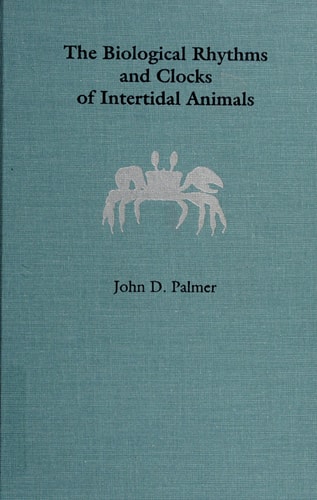
The Biological Rhythms and Clocks of Intertidal Animals
0
0
As an Amazon Associate and affiliate partner, Menrva Books earns from qualifying purchases. Learn more
Author Description
Biochemical mechanisms within the bodies of plants and animals program almost all their activities to specific phases of periodic events such as the time of day, the state of the tide, and the season of the year. Those organisms living within the intertidal zone--the area between high and low tides--face many environmental challenges that are eased tremendously by such chronobiological means. This monograph provides an authoritative, up-to-date account of research on the workings of intertidal animals' biological clocks. The book begins with a description of how tides are generated, and how the difficulties involved in studying organismic tide-associated rhythms may be overcome. The rest of the work focuses on rhythms and their properties, and the nature of the clocks that govern them. Comprehensive in scope, the book synthesizes over 350 research papers and contains over 129 figures. It is intended as a sequel to the author's well-known 1974 monograph Biological Clocks in Marine Organisms, incorporating the many advances in the field since the publication of the earlier volume. Aquatic ecologists, animal behaviorists, comparative physiologists, marine biologists, chronobiologists, and interested general readers will all want to read this important new work.
Menrva's Summary
THE THESIS
This monograph investigates the complex biochemical mechanisms and biological clocks that allow intertidal animals to synchronize their physiological activities with the rhythmic fluctuations of the tides. Author John D. Palmer, a recognized expert in chronobiology, synthesizes over 350 research papers to provide a comprehensive overview of how these organisms navigate the environmental challenges of the intertidal zone. The text builds upon the author's previous work to incorporate significant scientific advancements made in the field since 1974, offering a rigorous examination of the nature of these internal timing systems.
THE SCOPE MAP
What You Will Find
- Detailed analysis of tidal generation and its influence on organismic behavior.
- Methodologies for overcoming the technical difficulties inherent in studying tide-associated rhythms.
- Extensive synthesis of over 350 peer-reviewed research papers and scientific studies.
- Over 129 figures illustrating the properties of biological clocks and their governing mechanisms.
THE AUTHORITY PERSPECTIVE
Experts recognize this work as a significant update to the foundational literature on marine chronobiology. Readers frequently note the high density of the technical data and the comprehensive nature of the research presented, making it a primary resource for specialists in the field.
Page Count:
232
Publication Date:
1995-02-16
Publisher:
Oxford University Press
ISBN-10:
0195094352
ISBN-13:
9780195094350
Science
Chronobiology
Ecology
Biology
Zoology
Marine Biology
Community Tags
Similar Books