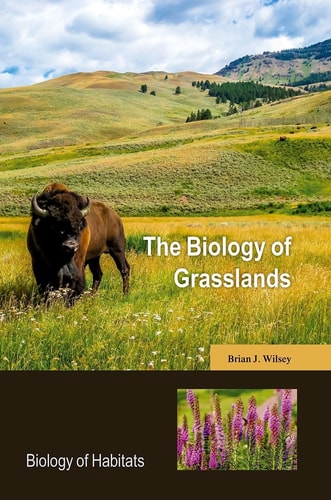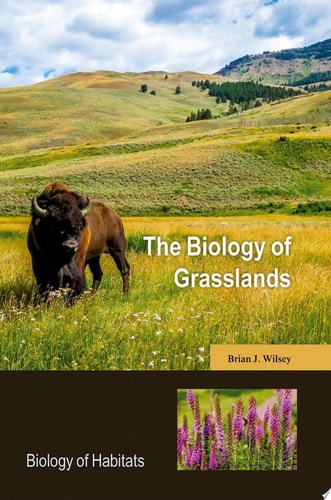
The Biology of Grasslands
0
0
As an Amazon Associate and affiliate partner, Menrva Books earns from qualifying purchases. Learn more
Author Description
This accessible text provides a concise but comprehensive introduction to the biology of global grasslands. Grasslands are vast in their extent, with native and non-native grasslands now covering approximately 50% of the global terrestrial environment. They are also of vital importance to humans, providing essential ecosystem services and some of the most important areas for the production of food and fibre worldwide. It has been estimated that 60% of calories consumed by humans originate from grasses, and most grain consumed is produced in areas that were formerly grasslands or wetlands. Grasslands are also important because they are used to raise forage for livestock, represent a source of biofuels, sequester vast amounts of carbon, provide urban green-space, and hold vast amounts of biodiversity. Intact grasslands contain an incredibly fascinating set of plants, animals, and microbes that have interested several generations of biologists, generating pivotal studies to important theoretical questions in ecology. As with other titles in the Biology of Habitats Series, the emphasis is on the organisms that dominate this environment although restoration, conservation, and experimental aspects are also considered.
Menrva's Summary
THE THESIS
This text investigates the biological mechanisms, ecological significance, and human utility of global grassland ecosystems. Brian J. Wilsey, a specialist in grassland ecology, synthesizes current research to explain how these biomes function as both biodiversity hotspots and critical resources for human survival. The book establishes a framework for understanding the interplay between plant dominance, microbial activity, and the broader environmental services provided by these terrestrial landscapes.
THE SCOPE MAP
What You Will Find
- Comprehensive overview of global grassland distribution and classification
- Analysis of ecosystem services including carbon sequestration and food production
- Examination of plant, animal, and microbial interactions within grassland biomes
- Discussion of restoration ecology and conservation methodologies
Scope Limits
- Does not provide an exhaustive taxonomic catalog of every grassland species
- Focuses primarily on biological and ecological processes rather than detailed socio-economic policy analysis
THE AUTHORITY PERSPECTIVE
Experts recognize this work as a foundational text for students and researchers seeking a structured introduction to habitat-specific biology. Readers frequently note the clarity of the prose, which balances technical ecological theory with accessible explanations of global environmental impacts.
Page Count:
208
Publication Date:
2018-01-01
Publisher:
OUP Oxford
ISBN-10:
0191061948
ISBN-13:
9780191061943
Science
Ecology
Grassland ecology
Biological Diversity
Biology
Botany