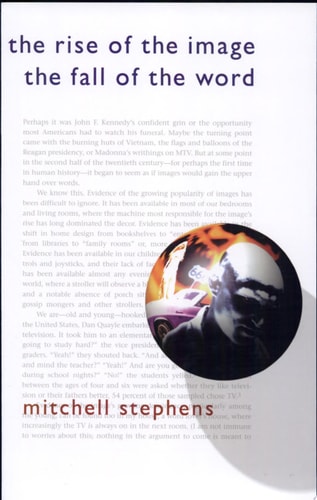
The Rise of the Image, the Fall of the Word
0
0
As an Amazon Associate and affiliate partner, Menrva Books earns from qualifying purchases. Learn more
Author Description
For decades educators and cultural critics have deplored the corrosive effects of electronic media on the national consciousness. The average American reads less often, writes less well. And, numbed by the frenetic image-bombardment of music videos, commercials and sound bites, we may also, it is argued, think less profoundly. But wait. Is it just possible that some good might arise from the ashes of the printed word?Most emphatically yes, argues Mitchell Stephens, who asserts that the moving image is likely to make our thoughts not more feeble but more robust. Through a fascinating overview of previous communications revolutions, Stephens demonstrates that the charges that have been leveled against television have been faced by most new media, including writing and print. Centuries elapsed before most of these new forms of communication would be used to produce works of art and intellect of sufficient stature to overcome this inevitable mistrust and nostalgia. Using examples taken from the history of photography and film, as well as MTV, experimental films, and Pepsi commercials, the author considers the kinds of work that might unleash, in time, the full power of moving images. And he argues that these works--an emerging computer-edited and -distributed "new video"--have the potential to inspire transformations in thought on a level with those inspired by the products of writing and print. Stephens sees in video's complexities, simultaneities, and juxtapositions, new ways of understanding and perhaps even surmounting the tumult and confusions of contemporary life.Sure to spark lively--even heated--debate, The Rise of the Image, the Fall of the Word belongs in the library of millennium-watchers everywhere.
Menrva's Summary
THE THESIS
Does the rise of electronic media and the moving image signify a decline in human intellectual capacity, or does it represent a new, robust evolution of thought? Mitchell Stephens, a professor and media scholar, examines the historical patterns of skepticism toward new communication technologies to argue that video, like writing and print before it, possesses the potential to elevate human cognition. By analyzing the structural complexities of visual media, the author posits that we are currently in a transitional phase that will eventually yield sophisticated intellectual and artistic expressions comparable to the literary canon.
THE SCOPE MAP
What You Will Find
- Historical analysis of societal reactions to the introduction of writing and the printing press.
- Comparative study of visual media evolution, ranging from early photography to contemporary music videos and commercials.
- Theoretical framework for understanding how video's simultaneity and juxtaposition influence cognitive processing.
- Projections on the future of computer-edited and distributed video as a medium for intellectual discourse.
THE AUTHORITY PERSPECTIVE
Experts and cultural critics frequently cite this work as a provocative counter-narrative to the prevailing declinist views on media consumption. Readers often note the author's balanced approach in addressing the complexities of visual literacy while maintaining a rigorous historical perspective.
Page Count:
272
Publication Date:
1998-10-08
Publisher:
Oxford University Press
ISBN-10:
0195098293
ISBN-13:
9780195098297
History
Technology
Mass media
Sociology
Communication
Social Aspects
Motion pictures
Media Studies
Community Tags
Other Editions(2)

Similar Books