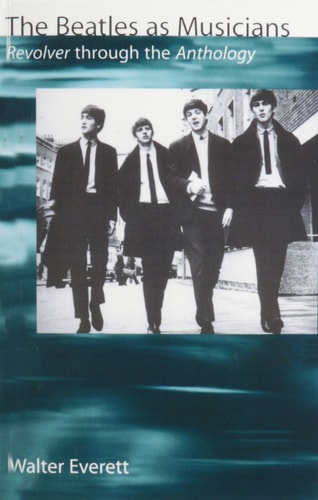
The Beatles as Musicians: Revolver Through the Anthology
0
0
As an Amazon Associate and affiliate partner, Menrva Books earns from qualifying purchases. Learn more
Author Description
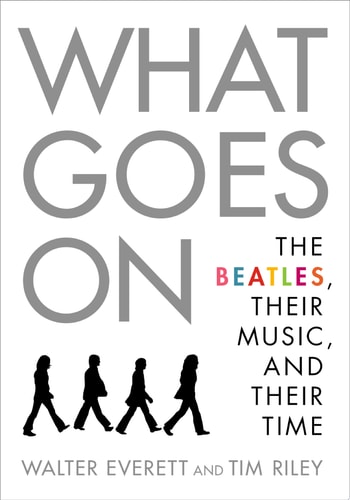
Given the phenomenal fame and commercial success that the Beatles knew for the entire course of their familiar career, their music per se has received surprisingly little detailed attention. Not all of their cultural influence can be traced to long hair and flashy clothing; the Beatles had numerous fresh ideas about melody, harmony, counterpoint, rhythm, form, colors, and textures. Or consider how much new ground was broken by their lyrics alone--both the themes and imagery of the Beatles' poetry are key parts of what made (and still makes) this group so important, so popular, and so imitated. This book is a comprehensive chronological study of every aspect of the Fab Four's musical life--including full examinations of composition, performance practice, recording, and historical context--during their transcendent late period (1966-1970). Rich, authoritative interpretations are interwoven through a documentary study of many thousands of audio, print, and other sources.
Menrva's Summary
THE THESIS
This book investigates the specific musical innovations and compositional techniques that defined the Beatles' artistic output during their final years as a recording unit. Walter Everett, a musicologist, utilizes a vast array of primary source materials, including audio recordings and archival documents, to deconstruct the band's creative evolution. The work argues that the group's enduring influence stems from their sophisticated approach to melody, harmony, and studio production rather than merely their cultural celebrity. By focusing on the period from 1966 to 1970, the author provides a rigorous analytical framework for understanding the band's transition from pop performers to studio-based experimentalists.
THE SCOPE MAP
What You Will Find
- Detailed musicological analysis of the albums from Revolver through the Anthology project.
- Examination of recording techniques, performance practices, and studio production methods.
- Evaluation of lyrical themes, poetic imagery, and structural composition.
- Historical context regarding the band's creative environment and collaborative process.
THE AUTHORITY PERSPECTIVE
Experts and music scholars frequently cite this work as a definitive, high-level technical study of the Beatles' later discography. Readers often note the academic density of the prose, which requires a foundational knowledge of music theory to fully appreciate the author's detailed observations.
Page Count:
416
Publication Date:
1999-04-29
Publisher:
Oxford University Press
ISBN-10:
0195095537
ISBN-13:
9780195095531
History
Biography
Music
Beatles
Pop
Music theory
Rock music
Community Tags
Other Editions(2)

Similar Books