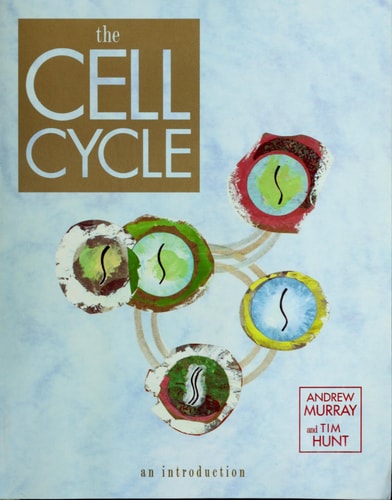
The Cell Cycle: An Introduction
0
0
As an Amazon Associate and affiliate partner, Menrva Books earns from qualifying purchases. Learn more
Author Description
In the last decade there has been a revolution in our comprehension of how cells grow and divide. Results from experiments on yeast, embryos, and cultured mammalian cells have unified seemingly disparate viewpoints into a single set of principles for normal cellular reproduction in plants, animals and bacteria. Written by two leading participants in that revolution, The Cell Cycle provides the first thorough, authoritative account of the new philosophy of normal cellular reproduction and how it emerged. It is a vivid portrayal of the molecular logic of the cell: how the cell engine induces DNA replication and chromosome replication; how the integrity of genetic information is preserved; and how cell size and environmental signals regulate the cycle of growth and division. By describing important breakthroughs in their historical and experimental context, The Cell Cycle traces the development of the new vision of cell biology and shows its relevance to other areas of modern biology. It is the ideal introduction to the current understanding of cell growth and division for advanced undergraduate and graduate level cell biology courses.
Menrva's Summary
THE THESIS
This book investigates the molecular mechanisms and unified principles governing how cells grow and divide across diverse biological organisms. Authors Andrew Murray and Tim Hunt, both prominent researchers in the field, synthesize experimental data from yeast, embryos, and mammalian cells to construct a cohesive framework for cellular reproduction. The text examines the regulatory logic of the cell cycle, detailing how DNA replication, chromosome segregation, and environmental signaling are integrated to maintain genetic integrity. By situating these discoveries within their historical and experimental contexts, the authors provide a comprehensive overview of the modern understanding of cell biology.
THE SCOPE MAP
What You Will Find
- Molecular mechanisms of DNA replication and chromosome segregation
- Regulatory pathways linking cell size and environmental signals to division
- Comparative analysis of cellular reproduction in plants, animals, and bacteria
- Historical and experimental context of major breakthroughs in cell biology
THE AUTHORITY PERSPECTIVE
Experts and educators recognize this work as a foundational text for advanced undergraduate and graduate students in the biological sciences. The prose is noted for its clarity and ability to distill complex molecular processes into a coherent narrative for those entering the field.
Page Count:
264
Publication Date:
1993-09-23
Publisher:
Oxford University Press
ISBN-10:
0195095294
ISBN-13:
9780195095296
Science
Biology
Cell Biology
Genetics
textbook
Cells
Community Tags
Similar Books