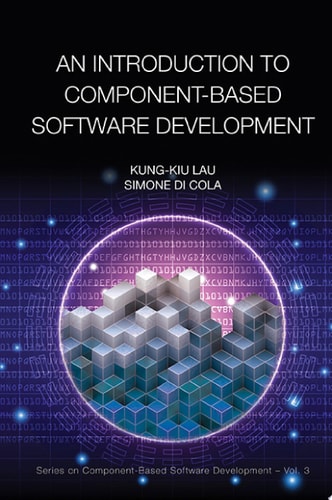
Introduction to Component-based Software Development, An
0
0
As an Amazon Associate and affiliate partner, Menrva Books earns from qualifying purchases. Learn more
Author Description
The book provides a comprehensive coverage of the widely accepted desiderata of component-based software development, as well as the foundations that these desiderata necessitate. Its unique focus is on component models, the cornerstone of component-based software development. In addition, it presents and analyses existing approaches according to these desiderata. This compendium is an indispensable textbook for an advance undergraduate or postgraduate course unit. Researchers will also find this volume an essential reference material. Contents: Introduction What are Software Components? What is Software Composition? Software Component Models Component Models with Objects as Components Component Models with Architectural Units as Components Component Models with Encapsulated Components A Taxonomy of Software Component Models Readership: Researchers, academics, professionals, postgraduate and advanced undergraduate students in software engineering. Software Components;Component-Based Software Development0
Menrva's Summary
THE THESIS
This book investigates the fundamental principles and practical applications of component-based software development, with a particular emphasis on component models. It offers a comprehensive examination of the widely accepted desiderata for component-based software development and the underlying foundations required to achieve them. The authors present and analyze existing approaches against these desiderata, providing a structured understanding of the field. This work is designed as an indispensable textbook for advanced undergraduate or postgraduate courses and essential reference material for researchers.
THE SCOPE MAP
- What are Software Components?
- What is Software Composition?
- Software Component Models
- Component Models with Objects as Components
- Component Models with Architectural Units as Components
- Component Models with Encapsulated Components
- A Taxonomy of Software Component Models
THE AUTHORITY PERSPECTIVE
The book is positioned as an indispensable textbook for advanced undergraduate and postgraduate students in software engineering, as well as essential reference material for researchers. Its comprehensive coverage of component models and analysis of existing approaches suggest it aims to provide a rigorous and detailed understanding of the field. The structured approach, including a taxonomy of component models, indicates a focus on systematic learning and research.
Page Count:
160
Publication Date:
2017-06-29
Publisher:
World Scientific Publishing Company
ISBN-10:
9813221895
ISBN-13:
9789813221895
Non-Fiction
Science & Technology
Computer Science
Software Engineering
Community Tags
Similar Books