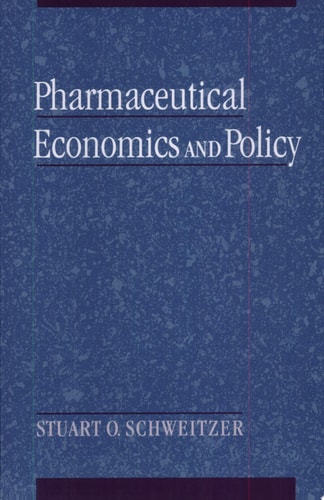
Pharmaceutical Economics and Policy
0
0
As an Amazon Associate and affiliate partner, Menrva Books earns from qualifying purchases. Learn more
Author Description
The pharmaceutical industry is praised as a leader in high technology innovation and the creator of products that increase both longevity and quality of life for people throughout the world. Yet the industry is also reviled for its marketing and pricing practices and even its research and development priorities. Its competitive nature is undergoing change today, with the entry of new firms and products increasing competition at the same time that mergers reduce it.This book employs the tools of economic analysis to explore the conflicting priorities and aims of the pharmaceutical industry, from both a US and worldwide perspective. Schweitzer discusses the industry both as a manufacturer of products and as a major player in the making of health-care decisions. The author also analyzes the reasons and results of the shift in the locus of demand for pharmaceuticals. Presently the most important factor in formulating the future direction of pharmaceutical research are the demands of the large managed-care organizations rather than individual physicians. HMOs make decisions about product access on behalf of hundreds of thousands of patients. Recent changes in the regulatory environment--including patent law and FDA approval policies--have also influenced the pharmaceutical sector and are therefore investigated in detail.Pharmaceutical Economics and Policy provides an insightful and expert analysis of this complex sector, and suggests appropriate regulatory approaches to assure that both private and public objectives continue to be served. It provides the first comprehensive look at the economics of the pharmaceutical industry in over 25 years. Readable and balanced, it will serve as an authoritative reference source for students and researchers in health services, health administration, health economics and policy, as well as for policy analysts and economists in industry, managed care organizations, and hospitals.
Menrva's Summary
THE THESIS
This book investigates the complex economic dynamics and conflicting priorities of the global pharmaceutical industry, balancing its role as a driver of medical innovation against its controversial pricing and marketing strategies. Stuart O. Schweitzer, a recognized expert in health economics, utilizes economic analysis to evaluate how the industry functions as both a manufacturer and a central influence in healthcare decision-making. The text examines the shift in demand from individual physicians to large managed-care organizations and assesses the impact of evolving regulatory frameworks on future research and development.
THE SCOPE MAP
What You Will Find
- Economic analysis of pharmaceutical pricing, marketing, and R&D priorities
- Examination of the shift in demand toward managed-care organizations and HMOs
- Detailed investigation of patent law and FDA regulatory approval policies
- Comparative analysis of the pharmaceutical sector from both US and international perspectives
THE AUTHORITY PERSPECTIVE
Experts identify this work as a foundational reference for students and professionals in health administration and policy. Readers frequently note the clarity of the prose, which makes complex economic concepts accessible to those working within the industry and hospital management.
Page Count:
256
Publication Date:
1997-01-15
Publisher:
Oxford University Press
ISBN-10:
0195105249
ISBN-13:
9780195105247
Economics
Business
Pharmaceutical Industry
Allied Health
Public Health
Health Policy
Medical
Community Tags
Other Editions(3)

Similar Books











Reader Comments
Share Your Thoughts
No comments yet. Be the first to share your thoughts!