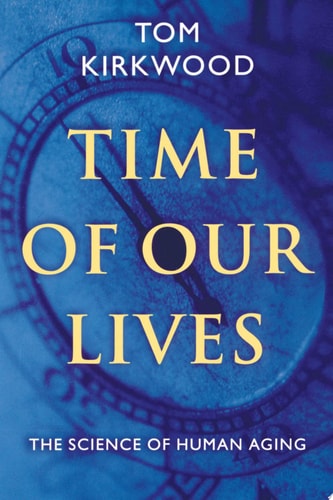
Time of Our Lives: The Science of Human Aging
0
0
As an Amazon Associate and affiliate partner, Menrva Books earns from qualifying purchases. Learn more
Author Description
As recent articles about "the graying of America" suggest, a demographic revolution is well underway. The number of people living into extreme old age is increasing dramatically. By the year 2050 one in five of the world's population, including the developing countries, will be 65 or older, a fact which presages profound medical, biological, philosophical, and political changes in the coming century.In Time of Our Lives, Tom Kirkwood unfolds some of the deepest mysteries of medical science while demolishing some of the most persistent misconceptions. He overturns the almost universally held belief that aging is either necessary or inevitable--it isn't--and debunks the idea that there exists a "death gene" that evolved to inhibit population growth. Instead, Kirkwood shows that we age because our genes, evolving at a time when life was "nasty, brutish, and short," placed little priority on the long-term maintenance of our bodies. With such knowledge, along with new insights from genome research, we can devise ways to target the root causes of aging and of age-related diseases such as Alzheimer's and osteoporosis. Expanding his thesis of the "disposable soma," developed over twenty years of research, Kirkwood makes sense of the evolution of aging, explains how aging occurs, and answers fundamental questions like why women live longer than men. He even considers the possibility that human beings will someday have greatly extended life spans or even be free from senescence altogether.Beautifully written by one of the world's pioneering researchers into the science of aging, Time of Our Lives is a clear, original and, above all, inspiring investigation of a process all of us experience but few of us understand.
Menrva's Summary
THE THESIS
This book investigates the biological mechanisms of human aging to determine whether senescence is an inevitable evolutionary outcome or a manageable physiological process. Tom Kirkwood, a pioneering researcher in the field, utilizes his extensive background in genome research and evolutionary biology to challenge the notion of a programmed "death gene." He presents the "disposable soma" theory, arguing that aging results from a lack of evolutionary priority on long-term bodily maintenance, and suggests that understanding this framework allows for potential interventions in age-related diseases.
THE SCOPE MAP
What You Will Find
- The "disposable soma" theory of aging and its evolutionary origins.
- Analysis of genome research regarding the root causes of senescence.
- Examination of gender-based differences in human life expectancy.
- Discussion on the future of medical interventions for age-related conditions like Alzheimer's and osteoporosis.
THE AUTHORITY PERSPECTIVE
Experts recognize this work as a significant contribution to the public understanding of gerontology, noting its ability to translate complex biological concepts into accessible prose. Readers frequently highlight the clarity of the author's arguments and the logical rigor applied to the study of human longevity.
Page Count:
288
Publication Date:
1999-08-12
Publisher:
Oxford University Press
ISBN-10:
0195128249
ISBN-13:
9780195128246
Science
Health
Gerontology
Biology
Eldercare
Medicine
Evolutionary Biology
Community Tags
Similar Books