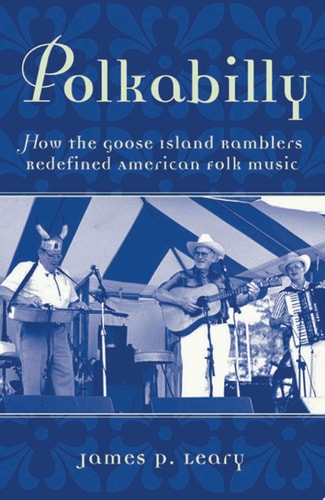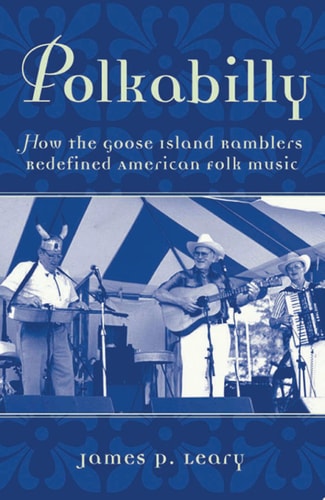
Polkabilly: How the Goose Island Ramblers Redefined American Folk Music
0
0
As an Amazon Associate and affiliate partner, Menrva Books earns from qualifying purchases. Learn more
Author Description
A freewheeling blend of continental European folk music and the songs, tunes, and dances of Anglo and Celtic immigrants, polkabilly has enthralled American musicians and dancers since the mid-19th century. From West Virginia coal camps and east Texas farms to the Canadian prairies and America's Upper Midwest, scores of groups have wed squeezeboxes with string bands, hoe downs with hambos, and sentimental Southern balladry with comic "up north" broken-English comedy, to create a new and uniquely American sound.The Goose Island Ramblers played as a house band for a local tavern in Madison, Wisconsin from the early 1960s through the mid-1970s. The group epitomized the polkabilly sound with their wild mixture of Norwegian fiddle tunes, Irish jigs, Slovenian polkas, Swiss yodels, old time hillbilly songs, "Scandihoovian" and "Dutchman" dialect ditties, frost-bitten Hawaiian marches, and novelty numbers on the electric toilet plunger. In this original study, James P. Leary illustrates how the Ramblers' multiethnic music combined both local and popular traditions, and how their eclectic repertoire challenges prevailing definitions of American folk music. He thus offers the first comprehensive examination of the Upper Midwest's folk musical traditions within the larger context of American life and culture.Impeccably researched, richly detailed and illustrated, and accompanied by a compact disc of interviews and performances, James P. Leary's Polkabilly: How the Goose Island Ramblers Redefined American Folk Music creates an unforgettable portrait of a polkabilly band and its world.
Menrva's Summary
THE THESIS
This book investigates how the Goose Island Ramblers, a local tavern band in Madison, Wisconsin, served as a microcosm for the evolution and cultural significance of 'polkabilly' music in America. James P. Leary, a scholar of folklore and regional music, utilizes extensive archival research, interviews, and performance analysis to argue that this eclectic genre challenges traditional, narrow definitions of American folk music. By examining the intersection of immigrant traditions and local popular culture, the text provides a framework for understanding the multiethnic roots of regional musical identity in the Upper Midwest.
THE SCOPE MAP
What You Will Find
- Historical analysis of the fusion between European folk traditions and American string band music.
- A detailed case study of the Goose Island Ramblers' repertoire and performance history.
- Primary source evidence including interviews and audio recordings from the band's tenure.
- Contextual exploration of the 'polkabilly' genre within the broader landscape of American cultural history.
THE AUTHORITY PERSPECTIVE
Experts and music historians recognize this work as a foundational study of regional musical hybridity in the United States. Readers frequently note the meticulous research and the value of the included audio materials in documenting a previously overlooked niche of American folk culture.
Page Count:
259
Publication Date:
2006-08-10
Publisher:
Oxford University Press
ISBN-10:
0195141067
ISBN-13:
9780195141061
Music
Biography
History
Criticism history
Folk Music