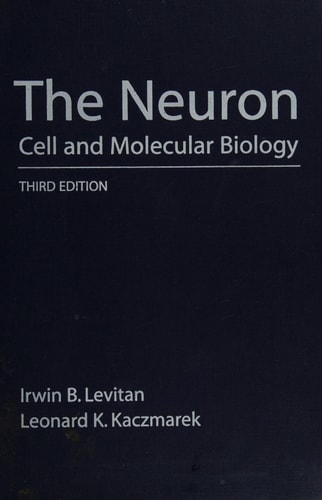
The Neuron: Cell and Molecular Biology
0
0
As an Amazon Associate and affiliate partner, Menrva Books earns from qualifying purchases. Learn more
Author Description
The third edition of The Neuron provides a comprehensive first course in the cell and molecular biology of nerve cells. The first part of the book covers the properties of the many newly discovered ion channels that have emerged through mapping of the genome. These channels shape the way a single neuron generates varied patterns of electrical activity. Next are covered the molecular mechanisms that convert electrical activity into the secretion of neurotransmitter and hormones at synaptic junctions between neurons. The second part of the book covers the biochemical pathways that are linked to the action of neurotransmitters and that can alter the cellular properties of neurons or sensory cells that transduce information from the outside world into the electrical code used by neurons. The final section reviews our rapidly expanding knowledge of the molecular factors that induce an undifferentiated cell to become a neuron, and then guide it to form appropriate synaptic connections with its partners. This section also focuses on the role of ongoing experience and activity in shaping these connections, and finishes with an account of mechanisms thought to underlie the phenomena of learning and memory.New for the Third Edition: This is a thoroughly revised and expanded edition (60 pages longer) and features a new 8-page, 4-color insert as well as the following changes:1. The mapping of the human genome and that of other species has led to the discovery of numerous new proteins that regulate the excitability, development, and function of neurons. These have been incorporated into the new edition in nearly all of the chapters.2. The first section of the book, which deals with neuronal excitability, has been reorganized to make it more readable for those students with less background in physical sciences. A new chapter has been added to this section to allow the incorporation of new information on ion channel structure and on the role of channel auxiliary proteins in modula
Menrva's Summary
THE THESIS
This text investigates the fundamental cellular and molecular mechanisms that govern the function, development, and plasticity of nerve cells. Authors Irwin B. Levitan and Leonard K. Kaczmarek, both established experts in the field of neuroscience, synthesize complex genomic and biochemical data to provide a structured framework for understanding neuronal excitability. The book bridges the gap between basic cellular biology and the sophisticated electrical signaling required for complex nervous system function.
THE SCOPE MAP
What You Will Find
- Comprehensive analysis of ion channel structure and function derived from genomic mapping.
- Detailed biochemical pathways involved in neurotransmitter secretion and synaptic transmission.
- Molecular mechanisms governing neuronal differentiation and the formation of synaptic connections.
- Examination of activity-dependent plasticity and the biological basis of learning and memory.
THE AUTHORITY PERSPECTIVE
Experts and educators recognize this work as a foundational textbook for students entering the field of neurobiology. Readers frequently note the academic density of the prose, which is balanced by clear organizational structures that make complex molecular processes accessible to those with varying backgrounds in the physical sciences.
Page Count:
632
Publication Date:
2001-11-15
Publisher:
Oxford University Press
ISBN-10:
0195145224
ISBN-13:
9780195145229
Science
Neurons
Neuroscience
textbook
Biology
Community Tags
Similar Books