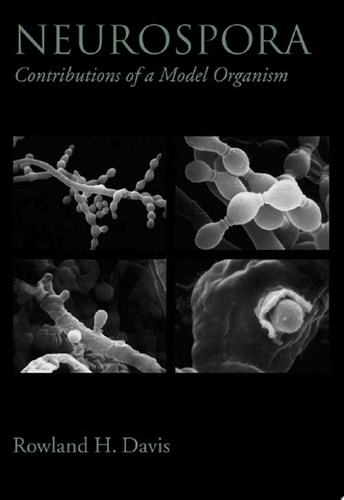
The Microbial Models of Molecular Biology: From Genes to Genomes
0
0
As an Amazon Associate and affiliate partner, Menrva Books earns from qualifying purchases. Learn more
Author Description
This book explains the role of simple biological model systems in the growth of molecular biology. Essentially the whole history of molecular biology is presented here, tracing the work in bacteriophages in E. coli, the role of other prokaryotic systems, and also the protozoan and algal models - Paramecium and Chlamydomonas, primarily - and the move into eukaryotes with the fungal systems - Neurospora, Aspergillus and yeast. Each model was selected for its appropriateness for asking a given class of questions, and each spawned its own community of investigators. Some individuals made the transition to a new model over time, and remnant communities of investigators continue to pursue questions in all these models, as the cutting edge of molecular biological research flowed onward from model to model, and onward into higher organisms and, ultimately, mouse and man.
Menrva's Summary
THE THESIS
This book investigates how the utilization of specific microbial model systems facilitated the development and expansion of molecular biology as a scientific discipline. Rowland H. Davis, a distinguished biologist, synthesizes the historical progression of research from simple prokaryotic systems to complex eukaryotic organisms. By examining the selection of specific models—such as bacteriophages, fungi, and algae—the author argues that the evolution of molecular biology is inextricably linked to the unique experimental advantages provided by these organisms. The text provides a comprehensive framework for understanding how scientific communities formed around these models to address fundamental questions in genetics and cellular function.
THE SCOPE MAP
What You Will Find
- Historical analysis of bacteriophage and E. coli research in early molecular biology.
- Examination of protozoan and algal models including Paramecium and Chlamydomonas.
- Overview of fungal systems such as Neurospora, Aspergillus, and yeast in eukaryotic studies.
- Documentation of the transition of research focus from microbial models to higher organisms including mice and humans.
THE AUTHORITY PERSPECTIVE
Experts recognize this work as a thorough historical account of the experimental foundations of molecular biology. Readers frequently note the academic density of the prose, which serves as a valuable resource for students and researchers interested in the history of biological methodology.
Page Count:
352
Publication Date:
2003-09-11
Publisher:
Oxford University Press
ISBN-10:
0195154363
ISBN-13:
9780195154368
Science
Biology
Medicine history
Genetics
Community Tags
Similar Books