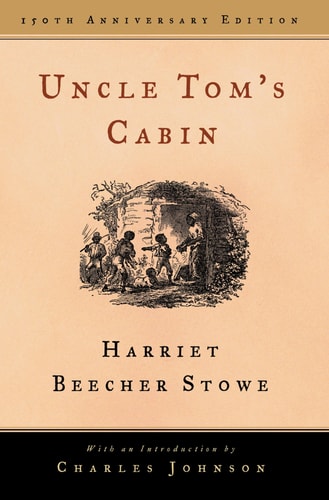
Uncle Tom's Cabin
0
0
As an Amazon Associate and affiliate partner, Menrva Books earns from qualifying purchases. Learn more
Author Description
There may be no other novel in American history as significant as Uncle Tom's Cabin. A feat of gripping storytelling--the first American work of fiction to become an international bestseller--no other book so effectively expressed the moral case against the "peculiar institution" of slavery.Oxford University Press is pleased to announce a special 150th anniversary edition of this American classic. This volume features a new introduction by Charles Johnson, recipient of a MacArthur Foundation fellowship and winner of the National Book Award for his 1990 novel Middle Passage. Johnson examines Uncle Tom's Cabin with an eye that is at once appreciative and critical, discussing its considerable craft, its impact on its 1852 audience, and its "ineluctably racist" view of African Americans. He describes how Stowe created vibrant and dramatic characters from all levels of Southern society--the mulatto genius George Harris, his light-skinned wife Eliza, the vicious slave trader Dan Haley, the guilt-ridden Augustine St. Clare--hurling them along truly exciting plotlines. She also infused her book with her then-controversial awareness of the humanity of black men and women, giving her audience a sense of the personal reality of the horrors of slavery. But even as sympathetic an author as Stowe, Johnson observes, substituted one kind of racism for another, depicting her black characters with a patronizing condescension.A classic of American fiction, a pivotal moment in history, and a cultural touchstone, Uncle Tom's Cabin has not lost its relevance or its power. With this insightful new introduction by one of our finest writers, it deserves a place on a bookshelf in every home.
Menrva's Summary
THE PULSE
The central conflict arises from the brutal realities of chattel slavery and the moral imperative to recognize the humanity of those held in bondage. The narrative follows the lives of several enslaved individuals, most notably Uncle Tom, as they navigate the physical and psychological violence of the antebellum South. Stowe employs a multi-perspective narrative framework to contrast the lives of enslaved people with the moral dilemmas of their owners. The protagonist's objective is to maintain personal dignity and faith while opposing the systemic forces that seek to commodify human life. The story is constrained by the rigid legal and social structures of the 19th-century United States, which dictate the movements and fates of the characters.
INSIDE THE PAGES
- Episodic narrative structure that follows multiple parallel storylines
- Use of sentimental rhetoric to evoke empathy from the reader
- Vivid character archetypes representing various social strata of the South
- Direct moral commentary addressed to the reader
- Exploration of the intersection between religious faith and social justice
- Detailed depictions of the physical hardships of the plantation system
- Contrast between the domestic sphere and the harsh realities of the slave trade
- Inclusion of dialect and vernacular to establish setting and character identity
THE COLLECTIVE ECHO
Discussion often centers on the novel's historical role in shaping American public opinion regarding the abolitionist movement. Readers frequently highlight the effectiveness of Stowe's characterizations in humanizing the enslaved population for a 19th-century audience. Critics often examine the tension between the book's progressive moral stance and the patronizing racial stereotypes present in the character depictions. The pacing is noted for its dramatic, often melodramatic, shifts that serve to maintain engagement with the heavy subject matter. Scholars continue to debate the work's legacy as both a catalyst for social change and a product of its own complex racial biases.
Page Count:
480
Publication Date:
2002-09-05
Publisher:
Oxford University Press
ISBN-10:
0195158164
ISBN-13:
9780195158168
Social Issues
American
Historical
classic
Community Tags
Other Editions(84)

Classics Illustrated Comics
2025
Default edition
Alpha Edition
2024
Sterling Publishing Company, Incorporated
2024

EdCon Publishing
2023
Information Age Publishing, Incorporated
2022
Classical Prints
2022

Independently Published
2022
TTD publishers
2022
Independently Published
2021

Independently Published
2021

Independently Published
2021
Independently Published
2021

Independently Published
2021
Independently Published
2021
Independently Published
2020

Graphic Arts Books
2020

Independently Published
2020

Independently Published
2020
Amazon Digital Services LLC - KDP Print US
2020
hansebooks
2020
Independently Published
2020
Independently Published
2020

Pan Macmillan UK
2020

Pan Macmillan
2020

Macmillan Collector's Library
2020
Independently Published
2020

Independently Published
2020
Public Park Publishing
2020
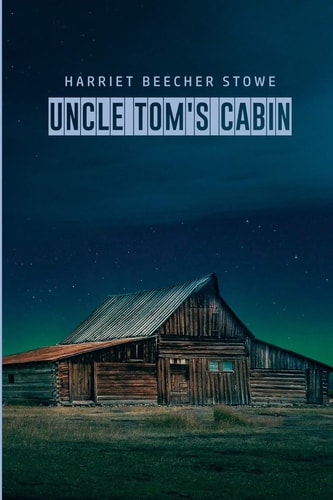
Public Park Publishing
2020
Independently Published
2019
Independently Published
2019
Independently Published
2019
Independently Published
2019
Amazon Digital Services LLC - KDP Print US
2019
Independently Published
2019
Independently Published
2019

Independently Published
2019
Independently Published
2019

Independently Published
2019
Amazon Digital Services LLC - KDP Print US
2019
Independently Published
2019
Amazon Digital Services LLC - KDP Print US
2019
Amazon Digital Services LLC - KDP Print US
2019

Prakash Books
2019

Amazon Digital Services LLC - KDP Print US
2018
Creative Media Partners, LLC
2018

Creative Media Partners, LLC
2018

Creative Media Partners, LLC
2018
Creative Media Partners, LLC
2018

Independently Published
2018

Independently Published
2018
12th Media Services
2017

Independently Published
2017

Arcturus Publishing Limited
2017

CreateSpace Independent Publishing Platform
2017

CreateSpace Independent Publishing Platform
2016
CreateSpace Independent Publishing Platform
2016
CreateSpace Independent Publishing Platform
2016

Joe Books Ltd
2015
Independent Publishers Group (Chicago Review Press)
2014

HarperCollins
2013

Simon & Schuster
2012
Andrews UK
2012

Copia Interactive, LLC
2011
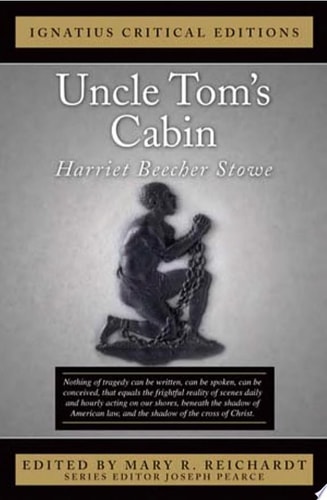
Ignatius Press
2009
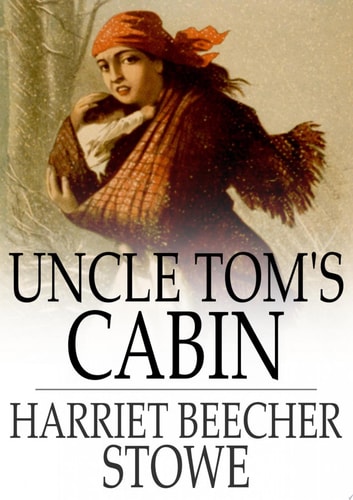
The Floating Press
2009

Penguin Group USA, Inc.
2008
1st World Publishing, Incorporated
2005
eBooksLib
2005

EBooksLib
2004
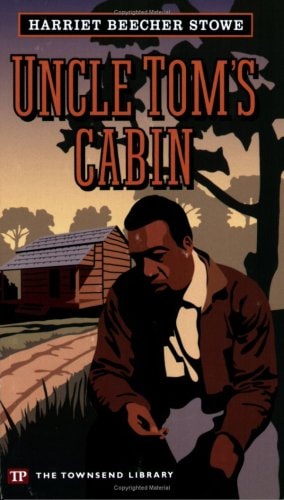
Townsend Library
2004
Collector's Library
2004
IndyPublish.com
2003
Oxford University Press
2002

San Val
2002
Barnes & Noble World Digital Library
2002
Random House Digital Inc.
2000
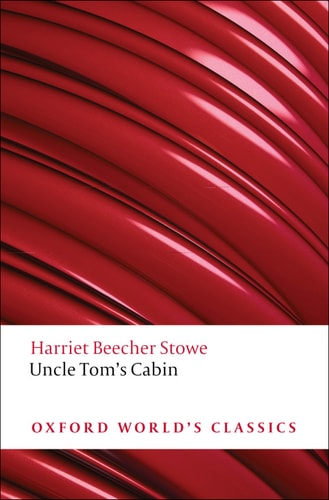
OUP Oxford
1998
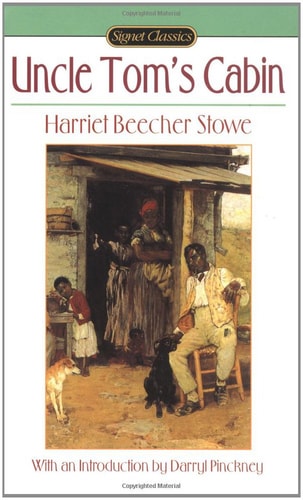
Signet Books
1998
Oxford University Press
1998
Modern Library
1996
Bloomsbury
1994

Modern Library
1985
Harper
1965
Similar Books






Reader Comments
Share Your Thoughts
No comments yet. Be the first to share your thoughts!