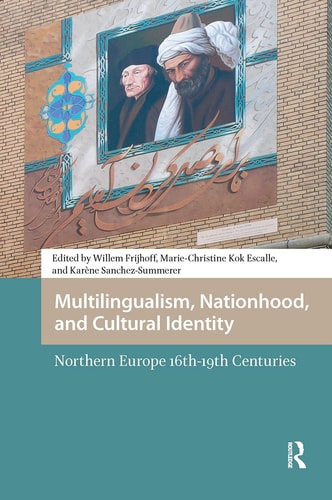
Multilingualism, Nationhood, and Cultural Identity: Northern Europe, 16th-19th Centuries
0
0
As an Amazon Associate and affiliate partner, Menrva Books earns from qualifying purchases. Learn more
Author Description
Before the modern nation-state became a stable, widespread phenomenon throughout northern Europe, multilingualism-the use of multiple languages in one geographical area-was common throughout the region. This book brings together historians and linguists, who apply their respective analytic tools to offer an interdisciplinary interpretation of the functions of multilingualism in identity-building in the period, and, from that, draw valuable lessons for understanding today's cosmopolitan societies.
Menrva's Summary
THE THESIS
This book investigates the complex interplay between multilingualism, national identity, and cultural formation in Northern Europe from the 16th to the 19th centuries. It brings together historians and linguists to provide an interdisciplinary interpretation of how the use of multiple languages shaped individual and collective identities during a period preceding the consolidation of modern nation-states, offering insights relevant to contemporary cosmopolitan societies.
THE SCOPE MAP
- Analysis of multilingualism's role in identity construction in Northern Europe.
- Interdisciplinary approach combining historical and linguistic perspectives.
- Examination of the period before the stabilization of the modern nation-state.
- Lessons drawn for understanding contemporary cosmopolitan societies.
THE AUTHORITY PERSPECTIVE
The book's interdisciplinary approach, combining historical and linguistic analyses, is likely to appeal to scholars and students interested in the formation of national identities and the role of language in society. By examining a period before the widespread establishment of modern nation-states, it offers a unique perspective on the evolution of cultural and linguistic landscapes. The authors' stated aim to draw lessons for contemporary cosmopolitan societies suggests a forward-looking and relevant contribution to ongoing debates about diversity and belonging.
Page Count:
194
Publication Date:
2025-12-01
Publisher:
Routledge, Chapman & Hall, Incorporated
ISBN-10:
104118316X
ISBN-13:
9781041183167
History
Non-Fiction
Linguistics
Sociology
Community Tags
Similar Books