Hip Hop Desis: South Asian Americans, Blackness, and a Global Race Consciousness
0
0
As an Amazon Associate and affiliate partner, Menrva Books earns from qualifying purchases. Learn more
Author Description
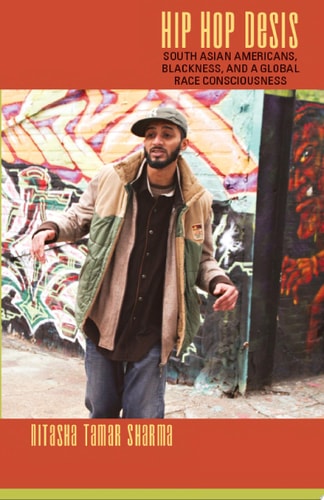
Hip Hop Desis explores the aesthetics and politics of South Asian American (desi) hip hop artists. Nitasha Tamar Sharma argues that through their lives and lyrics, young "hip hop desis" express a global race consciousness that reflects both their sense of connection with Blacks as racialized minorities in the United States and their diasporic sensibility as part of a global community of South Asians. She emphasizes the role of appropriation and sampling in the ways that hip hop desis craft their identities, create art, and pursue social activism. Some desi artists produce what she calls "ethnic hip hop," incorporating South Asian languages, instruments, and immigrant themes. Through ethnic hip hop, artists, including KB, Sammy, and Deejay Bella, express "alternative desiness," challenging assumptions about their identities as South Asians, children of immigrants, minorities, and Americans. Hip hop desis also contest and seek to bridge perceived divisions between Blacks and South Asian Americans. By taking up themes considered irrelevant to many Asian Americans, desi performers, such as D'Lo, Chee Malabar of Himalayan Project, and Rawj of Feenom Circle, create a multiracial form of Black popular culture to fight racism and enact social change.
Menrva's Summary
THE THESIS
The book investigates the complex interplay between South Asian American identity, Black culture, and the evolution of hip hop music. Nitasha Tamar Sharma's research delves into the lives and lyrics of
THE SCOPE MAP
- Exploration of the aesthetics and politics of South Asian American hip hop artists.
- Analysis of how young hip hop desis express a global race consciousness.
- Examination of the connection between South Asian Americans and Black Americans as racialized minorities.
- Discussion of the diasporic sensibility of South Asian Americans within a global community.
- Emphasis on the role of appropriation and sampling in identity formation and artistic creation.
- Case studies of artists producing 'ethnic hip hop' incorporating South Asian languages, instruments, and themes.
- Analysis of how artists like KB, Sammy, and Deejay Bella challenge assumptions about their identities.
- Exploration of how desi performers create a multiracial form of Black popular culture to fight racism and enact social change.
THE AUTHORITY PERSPECTIVE
This work is recognized for its insightful examination of the cultural and political dimensions of South Asian American hip hop. The book is noted for its detailed analysis of how artists navigate their identities, drawing connections between their South Asian heritage and their engagement with Black culture. Sharma's argument highlights the significance of hip hop as a medium for expressing a global race consciousness and fostering social activism. The research provides a nuanced perspective on the construction of identity within diasporic communities and the broader landscape of American popular culture.
Page Count:
368
Publication Date:
2010-08-17
Publisher:
Duke University Press
ISBN-10:
0822392895
ISBN-13:
9780822392897
Non-Fiction
History
Music
Music History
Sociology
Race Relations
American Studies
Community Tags
Similar Books