Teaching Ritual
0
0
As an Amazon Associate and affiliate partner, Menrva Books earns from qualifying purchases. Learn more
Author Description
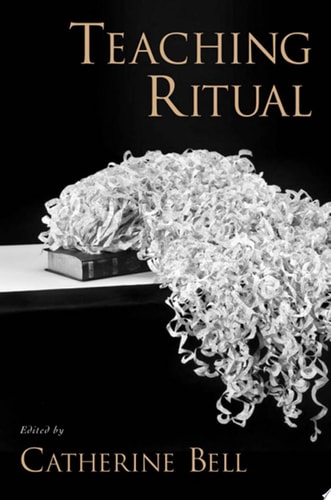
Many teachers share an interest in bringing a better appreciation of ritual into their religious studies classes, but are uncertain how to do it. Religious studies faculty know how to teach texts, but they often have difficulty teaching something for which the meaning lies in the doing. How do you teach such "doing"? How much need be done? How does the teacher talk about the religiosity that exists in personalized relationships, not textual descriptions or prescriptions?These practical issues also give rise to theoretical questions. Giving more attention to ritual effectively suggests a reinterpretation of religion itself-an understanding less focused on what people have thought and written, and more focused on how they engage their universe. Many useful analyses of ritual derive from anthropological and sociological premises, which may be foreign to religious studies faculty and even seen by some as theologically problematic. This is the first resource to address the issues specific to teaching this subject. A stellar cast of contributors, all scholars of ritual and teachers experienced in using ritual in a wide variety of courses and settings, explain what has worked for them in the classroom, what has not, and what they have learned from the experience of being more real about religion. Their voices range from personal to formal, their topics from ways to use field trips to the role of architecture. The result is a rich guide for teachers who are new to the subject as well as the experienced willing to think about new angles and fresh approaches.
Menrva's Summary
THE THESIS
This volume investigates the pedagogical challenges inherent in teaching ritual within religious studies, specifically addressing how to translate the experiential nature of ritual into a classroom setting. Catherine Bell, a noted scholar in the field, compiles insights from a diverse group of educators to bridge the gap between textual analysis and the practical, embodied reality of religious practice. The text argues that shifting the focus from written doctrine to lived engagement requires new theoretical frameworks and practical classroom strategies.
THE SCOPE MAP
What You Will Find
- Pedagogical strategies for teaching embodied religious practices rather than just texts
- Theoretical frameworks derived from anthropology and sociology applied to religious studies
- Practical case studies covering field trips, the use of architecture, and personal reflection
- Methodologies for navigating the tension between academic analysis and theological sensitivity
THE AUTHORITY PERSPECTIVE
Experts identify this work as a foundational resource for faculty seeking to integrate ritual studies into their curriculum. Readers frequently note the practical utility of the contributors' personal accounts in navigating the complexities of teaching non-textual religious experiences.
Page Count:
320
Publication Date:
2007-01-01
Publisher:
Oxford University Press
ISBN-10:
0195176456
ISBN-13:
9780195176452
Education
Sociology
Teaching Methods
Anthropology
Ritual
Community Tags
Other Editions(3)
Similar Books