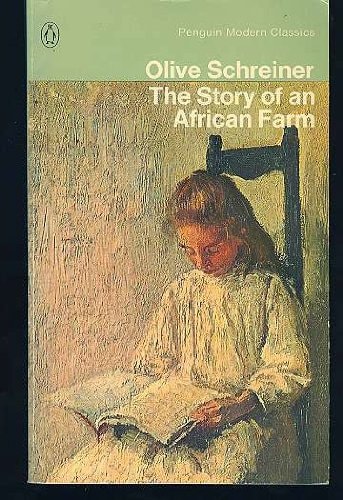
The Story of an African Farm
0
0
As an Amazon Associate and affiliate partner, Menrva Books earns from qualifying purchases. Learn more
Author Description
This pioneering work was a cause celebre when it appeared in London, transforming the shape and course of the late Victorian novel. Lynall, Schreiner's articulate young feminist, marks the entry of the controversial New Woman into nineteenth-century fiction. From the haunting plains of South Africa's high Karoo, Schreiner boldly addresses her society's greatest the loss of faith, the dissolution of marriage, and women's social and political independence.
Menrva's Summary
THE PULSE
The narrative centers on the intellectual and spiritual awakening of three children living on a remote South African farm as they confront the rigid social and religious structures of the nineteenth century. The story follows Lyndall, Waldo, and Em as they navigate the harsh physical landscape of the Karoo and the even more restrictive social expectations placed upon them. The text employs a non-linear, philosophical framework to examine the internal development of its protagonists against the backdrop of colonial isolation. As they mature, each character struggles to reconcile their personal desires for independence and truth with the prevailing societal norms of their era.
INSIDE THE PAGES
- Exploration of existential crisis and the loss of religious faith
- Critique of Victorian marriage conventions and gender roles
- Vivid depiction of the South African Karoo landscape
- Integration of philosophical essays within the narrative structure
- Character-driven focus on the transition from childhood to adulthood
- Use of symbolic imagery to represent internal psychological states
- Examination of colonial social hierarchies and power dynamics
- Emphasis on the intellectual autonomy of the female protagonist
THE COLLECTIVE ECHO
Readers and critics frequently identify this work as a foundational text for the New Woman movement in late nineteenth-century literature. Discussion often centers on the unconventional narrative structure, which balances traditional storytelling with dense, philosophical reflections on life and belief. Many observers highlight the stark, atmospheric setting as a crucial element that mirrors the internal isolation of the characters. Critics note that the book remains a significant point of study for its bold interrogation of marriage and political independence. The text is often praised for its refusal to provide easy resolutions, favoring instead a realistic portrayal of the difficulties inherent in seeking personal truth.
Page Count:
304
Publication Date:
1979-09-27
Publisher:
Penguin Books
ISBN-10:
0140001972
ISBN-13:
9780140001976
Fiction
Feminist
Victorian
Coming of Age
Historical
classic
South African
Community Tags
Other Editions(18)
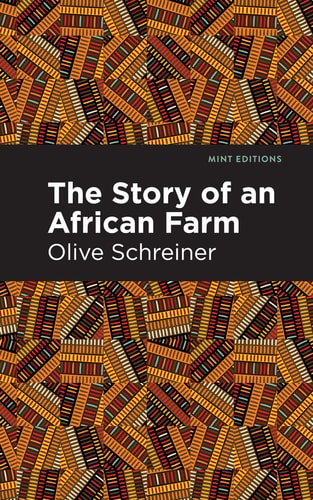
Mint Editions
2021
Default edition
Independently Published
2020

Independently Published
2020
Creative Media Partners, LLC
2018
Creative Media Partners, LLC
2018

CreateSpace Independent Publishing Platform
2018
CreateSpace Independent Publishing Platform
2017
CreateSpace Independent Publishing Platform
2017
Read & Company Classics
2014

CreateSpace Independent Publishing Platform
2011
Penguin Books (South Africa)
2008

EBooksLib.com
2005

eBooksLib
2005
OUP Oxford
1998
Oxford University Press
1993
Hutchinson
1987
Penguin Books
1979
Ad. Donker
1975
Similar Books
Reader Comments
Share Your Thoughts
No comments yet. Be the first to share your thoughts!