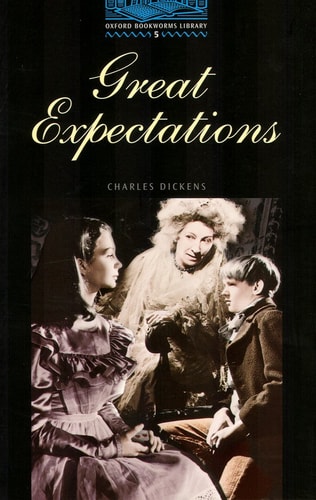
Great Expectations
0
0
As an Amazon Associate and affiliate partner, Menrva Books earns from qualifying purchases. Learn more
Author Description
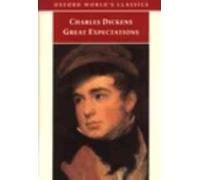
With a new introduction and notes, this edition of Great Expectations offers new insights into one of Dickens's most fascinating and disturbing novels. Charting the progress of Pip from childhood to adulthood, Dickens shows the dangers of being driven by a desire for wealth and social status. As Pip moves from the Kent marshes to busy, commercial London, encountering many extraordinary characters--from Magwitch, the escaped convict, to Miss Havisham, a woman locked up with her past--he is confronted with the challenge of establishing a sense of his own identity and values contrary to the plans others have for him.
Menrva's Summary
THE PULSE
The sudden inheritance of a mysterious fortune forces a young orphan named Pip to abandon his humble origins and navigate the rigid, often cruel, social hierarchies of Victorian England.
Pip struggles to reconcile his newfound status as a gentleman with the moral integrity of his past, while contending with the manipulative influence of the eccentric Miss Havisham and the looming shadow of an escaped convict. The narrative, presented in the first-person perspective, tracks his psychological maturation as he attempts to shed his blacksmith roots in favor of an idealized, yet hollow, social identity. He faces internal conflict regarding his own ambition and the external pressures of a society that values wealth over human connection. The world is defined by the stark contrast between the desolate Kent marshes and the bustling, indifferent streets of London.
INSIDE THE PAGES
- First-person retrospective narration
- Gothic atmosphere and imagery
- Satirical critique of class structures
- Complex character archetypes
- Themes of guilt and redemption
- Symbolism of decay and stagnation
- Moral development arc
- Detailed Victorian social setting
THE COLLECTIVE ECHO
Readers frequently highlight the intricate character development that defines Pip’s transition from an innocent child to a disillusioned adult. Discussion often centers on the effectiveness of Dickens’s atmospheric world-building, particularly the haunting presence of Satis House and the desolate marshes. Critics often examine the novel’s biting social commentary regarding the pursuit of wealth and the superficiality of the Victorian class system. The balance between the protagonist's internal moral struggle and the eccentric, often grotesque, supporting cast remains a primary focus of academic analysis. Many readers appreciate the narrative's ability to maintain tension through its exploration of identity and the consequences of past actions.
Page Count:
544
Publication Date:
1998-01-01
Publisher:
Oxford University Press
ISBN-10:
0192805215
ISBN-13:
9780192805218
classic
Coming of Age
Social Commentary
Genre Fiction
Historical
Victorian
England
Bildungsroman
Community Tags
Other Editions(20)
CreateSpace Independent Publishing Platform
2017
Default edition
Oxford University Press España, S.A.
2016
Oxford University Press
2014

Bloomsbury UK
2012
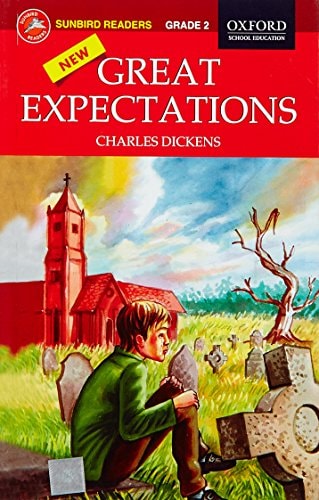
Oxford
2010
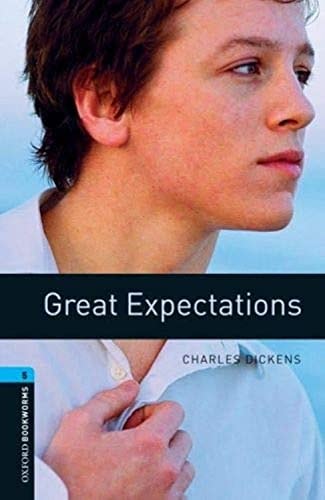
OXFORD
2009

IBS BOOKS (UK)
2008
Oxford University Press
2007
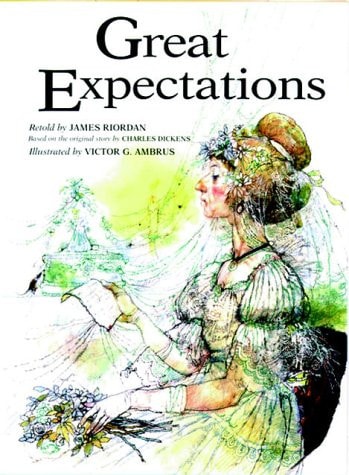
Oxford University Press
2002
Savvas Learning Company
2000
Oxford University Press
1999
Oxford University Press
1998
Oxford University Press
1994
Clarendon Press
1993
Oxford University Press
1987
Oxford University Press
1987
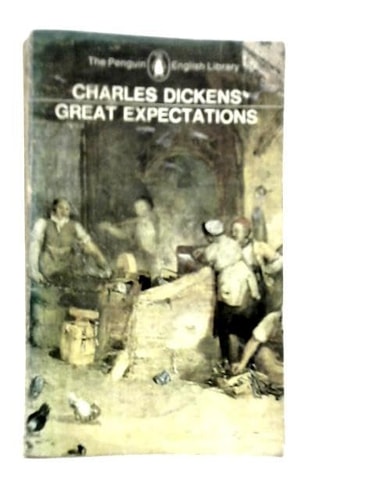
Oxford University Press
1967
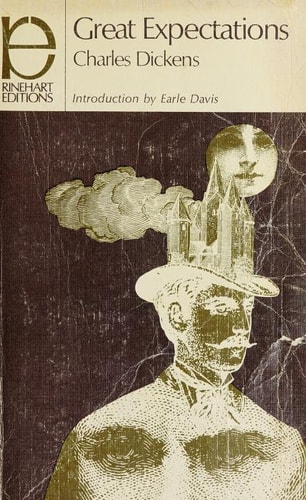
Holt, Rinehart and Winston
1948
Oxford Medical Publications
1900
Armada
1861
Similar Books


Reader Comments
Share Your Thoughts
No comments yet. Be the first to share your thoughts!