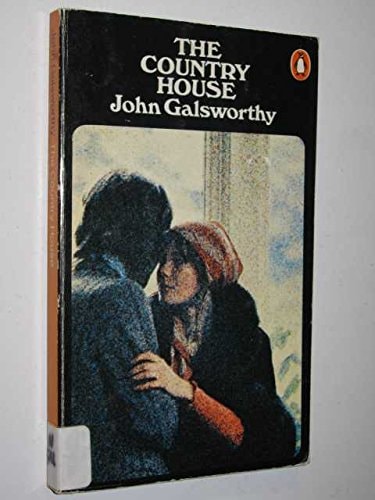
The Country House
0
0
As an Amazon Associate and affiliate partner, Menrva Books earns from qualifying purchases. Learn more
Author Description
This is a reproduction of a book published before 1923. This book may have occasional imperfections such as missing or blurred pages, poor pictures, errant marks, etc. that were either part of the original artifact, or were introduced by the scanning process. We believe this work is culturally important, and despite the imperfections, have elected to bring it back into print as part of our continuing commitment to the preservation of printed works worldwide. We appreciate your understanding of the imperfections in the preservation process, and hope you enjoy this valuable book.
Menrva's Summary
THE PULSE
The central conflict arises when a scandal involving a young woman threatens the social standing and rigid traditions of the Pendyce family. Horace Pendyce, a conservative landowner, struggles to maintain the status quo of his estate against the encroaching changes of modern society. His son, George, becomes entangled in a complicated romantic situation that forces the family to confront their own prejudices and moral rigidity. The narrative utilizes a third-person omniscient perspective to examine the internal motivations of the landed gentry. The story unfolds through a series of social interactions that highlight the tension between individual desire and the expectations of the British upper class.
INSIDE THE PAGES
- Detailed examination of the British landed gentry
- Satirical portrayal of conservative social values
- Focus on the conflict between tradition and modernity
- Complex character studies of the Pendyce family members
- Exploration of moral dilemmas within the upper class
- Nuanced dialogue reflecting class distinctions
- Atmospheric depiction of the English countryside
- Critical commentary on the rigidity of social hierarchies
THE COLLECTIVE ECHO
Readers and critics frequently note the sharp, observational style Galsworthy employs to dissect the social mores of the early twentieth century. Discussion often centers on the author's ability to balance character development with a broader critique of the British class system. Many highlight the effectiveness of the atmosphere, which captures the fading influence of the landed gentry with precision. The pacing is often described as deliberate, allowing for a thorough exploration of the thematic threads regarding inheritance and social duty. This work is widely regarded as a significant example of Edwardian realism that provides insight into the societal shifts of the era.
Page Count:
224
Publication Date:
1973-01-01
Publisher:
Penguin
ISBN-10:
0140003851
ISBN-13:
9780140003857
Family Saga
Contemporary
Social Satire
classic
Realism
British literature
Community Tags
Similar Books