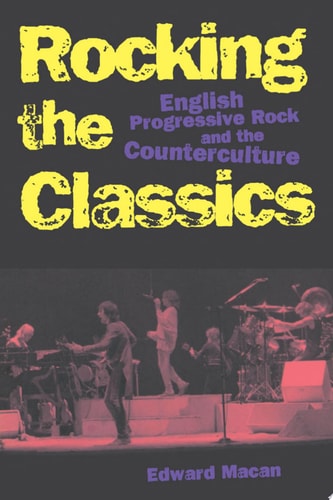
Rocking the Classics
0
0
As an Amazon Associate and affiliate partner, Menrva Books earns from qualifying purchases. Learn more
Author Description
Few styles of popular music have generated as much controversy as progressive rock, a musical genre best remembered today for its gargantuan stage shows, its fascination with epic subject matter drawn from science fiction, mythology, and fantasy literature, and above all for its attempts to combine classical music's sense of space and monumental scope with rock's raw power and energy. Its dazzling virtuosity and spectacular live concerts made it hugely popular with fans during the 1970s, who saw bands such as King Crimson, Emerson, Lake and Palmer, Yes, Genesis, Pink Floyd, and Jethro Tull bring a new level of depth and sophistication to rock. On the other hand, critics branded the elaborate concerts of these bands as self-indulgent and materialistic. They viewed progressive rock's classical/rock fusion attempts as elitist, a betrayal of rock's populist origins...
Menrva's Summary
THE THESIS
This book investigates the cultural and musical significance of progressive rock, questioning whether the genre represents a legitimate fusion of classical sophistication and rock energy or a self-indulgent departure from rock's populist roots. Edward Macan, a musicologist and musician, utilizes his technical expertise to analyze the structural complexity of the music while contextualizing the genre within the socio-political landscape of the 1970s. He argues that the movement was a deliberate attempt to elevate rock music into a serious art form, challenging the prevailing critical dismissal of the era's most ambitious bands.
THE SCOPE MAP
What You Will Find
- Analysis of the musical structures and instrumentation characteristic of 1970s progressive rock.
- Historical examination of the tension between rock's populist origins and the elitist perceptions of progressive rock.
- Case studies of seminal bands including King Crimson, Emerson, Lake and Palmer, Yes, Genesis, Pink Floyd, and Jethro Tull.
- Exploration of the thematic influence of science fiction, mythology, and fantasy literature on progressive rock lyrics and stage shows.
THE AUTHORITY PERSPECTIVE
Experts and music historians frequently cite this work as a foundational text for understanding the aesthetic and technical ambitions of the progressive rock movement. Readers often note the academic rigor of the prose, which balances musicological analysis with a broader cultural history of the decade.
Page Count:
0
Publication Date:
2007-01-01
Publisher:
Oxford University Press
ISBN-10:
0195356810
ISBN-13:
9780195356816
History
Music
Rock music
Music Criticism
Community Tags
Similar Books