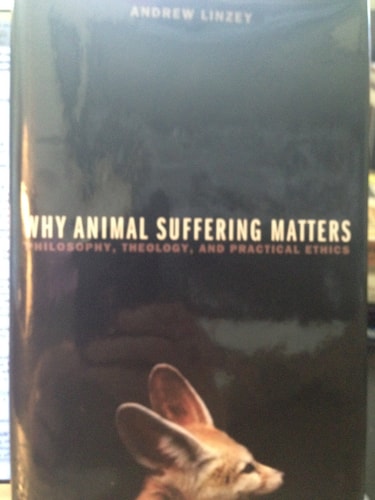
Why Animal Suffering Matters: Philosophy, Theology, and Practical Ethics
0
0
As an Amazon Associate and affiliate partner, Menrva Books earns from qualifying purchases. Learn more
Author Description
How we treat animals arouses strong emotions. Many people are repulsed by photographs of cruelty to animals and respond passionately to how we make animals suffer for food, commerce, and sport. But is this, as some argue, a purely emotional issue? Are there really no rational grounds for opposing our current treatment of animals?In Why Animal Suffering Matters, Andrew Linzey argues that when analyzed impartially the rational case for extending moral solicitude to all sentient beings is much stronger than many suppose. Indeed, Linzey shows that many of the justifications for inflicting animal suffering in fact provide grounds for protecting them. Because animals, the argument goes, lack reason or souls or language, harming them is not an offense. Linzey suggests that just the opposite is true, that the inability of animals to give or withhold consent, their inability to represent their interests, their moral innocence, and their relative defenselessness all compel us not to harm them.Andrew Linzey further shows that the arguments in favor of three controversial practices--hunting with dogs, fur farming, and commercial sealing--cannot withstand rational critique. He considers the economic, legal, and political issues surrounding each of these practices, appealing not to our emotions but to our reason, and shows that they are rationally unsupportable and morally repugnant.In this superbly argued and deeply engaging book, Linzey pioneers a new theory about why animal suffering matters, maintaining that sentient animals, like infants and young children, should be accorded a special moral status.
Menrva's Summary
THE THESIS
This book investigates whether the moral status of animals can be established through rational and theological inquiry rather than purely emotional response. Andrew Linzey, a prominent theologian and animal rights scholar, utilizes a framework of moral philosophy to challenge the common justifications for animal exploitation. He argues that the very characteristics often used to exclude animals from moral consideration—such as their lack of language or inability to consent—actually necessitate their protection. By drawing on ethical principles and theological perspectives, the author constructs a rigorous argument for extending moral solicitude to all sentient beings.
THE SCOPE MAP
What You Will Find
- A philosophical critique of arguments that deny moral status to non-human animals based on their lack of reason or souls.
- An examination of the moral implications of animal defenselessness and their inability to provide consent.
- A detailed analysis of specific controversial practices, including hunting with dogs, fur farming, and commercial sealing.
- A proposed theoretical framework that equates the moral status of sentient animals with that of infants and young children.
THE AUTHORITY PERSPECTIVE
Experts in the field of animal ethics recognize this work as a significant contribution to the rational defense of animal rights. Readers frequently note the clarity of the author's arguments, which successfully bridge the gap between theological tradition and contemporary practical ethics.
Page Count:
224
Publication Date:
2009-07-17
Publisher:
Oxford University Press
ISBN-10:
0195379772
ISBN-13:
9780195379778
Non-Fiction
Philosophy
Animal Welfare
Ethics
Animal Rights
Theology
Community Tags
Similar Books