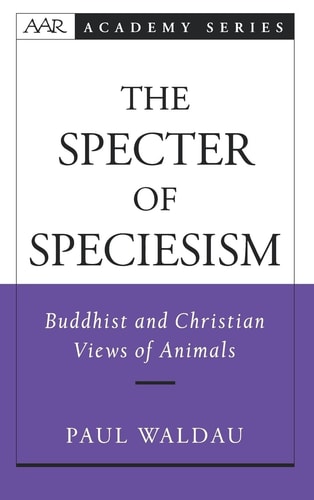
The Specter of Speciesism: Buddhist and Christian Views of Animals
0
0
As an Amazon Associate and affiliate partner, Menrva Books earns from qualifying purchases. Learn more
Author Description
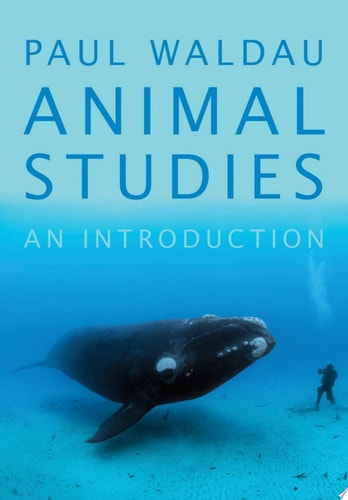
This new study looks at how non-human animals have been viewed in the Buddhist and Christian religious traditions. The concept of speciesism, coined in 1970 as an analogy to racism and discussed almost exclusively within philosophical circles, is used to explore very basic questions about which animals, human or otherwise, were significant to early Buddhists and Christians. Drawing on scriptures and interpretive traditions in Christianity and Buddhism, Waldau argues that decisions about human ethical responsibilities in both religions are deeply rooted in ancient understandings of the place of humans in the world and our relationships with other animals in an integrated cosmos. His study offers scholars and others interested in the bases for ethical decisions new insights into Christian and Buddhist reasoning about animals as well as what each might have to offer to the current discussions about animal rights and environmental ethics.
Menrva's Summary
THE THESIS
This study investigates how the concept of speciesism informs the historical and theological treatment of non-human animals within Buddhist and Christian traditions. Paul Waldau, a scholar of religion and animal studies, utilizes a comparative framework to analyze how ancient scriptures and interpretive traditions established the moral status of animals. By examining the foundational texts of both religions, the author argues that contemporary ethical responsibilities toward animals are inextricably linked to historical cosmological views regarding the human position in the natural world.
THE SCOPE MAP
What You Will Find
- Comparative analysis of Buddhist and Christian canonical texts regarding animal status
- Application of the philosophical concept of speciesism to religious history
- Examination of the historical development of human-animal relationships in an integrated cosmos
- Insights into how ancient religious reasoning informs modern environmental and animal rights discourse
THE AUTHORITY PERSPECTIVE
Scholars and students of religious ethics frequently cite this work as a rigorous, foundational text for understanding the intersection of theology and animal welfare. Readers often note the academic density of the prose, which provides a comprehensive look at how ancient traditions continue to shape modern ethical debates.
Page Count:
320
Publication Date:
2001-12-06
Publisher:
Oxford University Press
ISBN-10:
0195145712
ISBN-13:
9780195145717
Religion
Philosophy
Animal Rights
Animal Welfare
Christianity
Ethics
Buddhism