Girl with Green Eyes
0
0
As an Amazon Associate and affiliate partner, Menrva Books earns from qualifying purchases. Learn more
Author Description
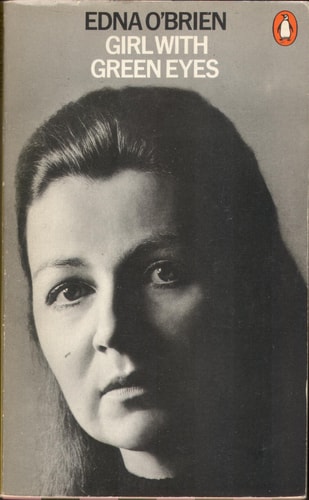
Cait, or Kate as she likes to be called and Baba are living in Dublin, making up for their sheltered upbringing by going out with men and drinking. Kate creates a furore by dating a non-catholic who is separated from his American wife.
Menrva's Summary
THE PULSE
Kate Brady navigates the social and moral constraints of 1950s Dublin while pursuing a controversial relationship that threatens her standing in a conservative society. Kate and her friend Baba seek independence from their restrictive rural backgrounds by immersing themselves in the urban nightlife of Dublin. Kate’s objective is to define her own identity through romantic autonomy, which brings her into direct conflict with the rigid religious and social expectations of the era. The narrative framework follows Kate’s internal development as she faces the consequences of her choices, particularly her involvement with an older, separated man. The story examines the tension between personal desire and the crushing weight of societal judgment.
INSIDE THE PAGES
- Exploration of the transition from rural innocence to urban disillusionment
- Examination of the restrictive influence of the Catholic Church on personal life
- Focus on the complexities of female friendship and mutual reliance
- Depiction of 1950s Dublin social dynamics and nightlife
- Use of a candid, introspective narrative voice
- Analysis of the power imbalance in relationships between younger women and older men
- Critique of traditional gender roles and expectations
- Emphasis on the search for individual agency within a patriarchal framework
THE COLLECTIVE ECHO
Readers and critics frequently highlight the prose for its raw honesty and its unflinching portrayal of the limitations placed upon women in mid-century Ireland. Discussion often centers on the dynamic between Kate and Baba, noting how their contrasting personalities drive the narrative forward. Many observers appreciate the atmospheric depiction of Dublin, which serves as both a site of liberation and a source of new pressures. The work is widely recognized for its contribution to the canon of Irish literature, specifically for its focus on the internal life of a young woman attempting to forge her own path against significant cultural resistance.
Page Count:
224
Publication Date:
1975-11-30
Publisher:
Penguin Books
ISBN-10:
0140021086
ISBN-13:
9780140021080
Literary Fiction
Classic fiction
Coming of Age
Irish literature
Community Tags
Similar Books